0%

Choosing an emotional companion robot in 2026 is less about finding a perfect machine and more about matching its features to everyday needs. Some people want a friendly voice during quiet evenings. Others may value reminders, simple games, or a small animated face that makes a desk feel less empty. The best choice depends on how the robot communicates, what it can do offline, and whether its ongoing costs are clear. A polished demo can be charming. Daily use is the real test.

This guide to the 7 Best Emotional Companion Robots to Buy in 2026 compares practical details, including setup, interaction style, accessibility, privacy controls, and the support available after purchase. It also considers who each device may suit, from curious first-time buyers to households seeking a gentle conversational presence. No robot can offer human understanding, and marketing claims deserve careful scrutiny. That matters. Check how conversations are stored, whether features require a subscription, and what happens when the internet connection drops. A companion device may brighten a routine, but it can also feel repetitive or awkward. Not every day. These recommendations aim to make those trade-offs easier to judge, using specific features rather than promises of emotional transformation. A little skepticism is healthy. The right robot should fit your habits, budget, and comfort with connected technology—not ask you to expect more than it can deliver.
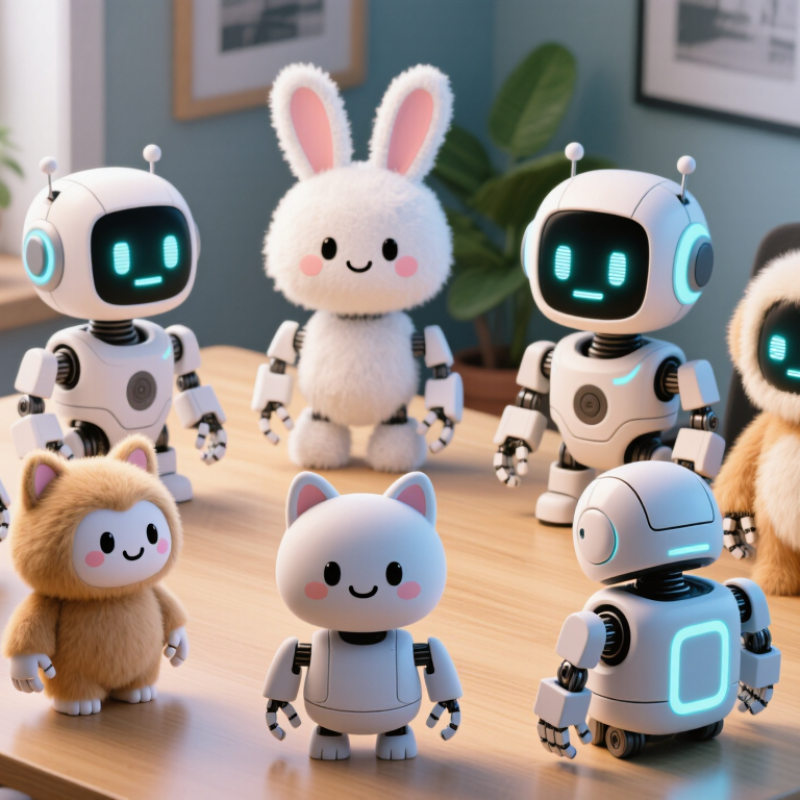
7 Best Emotional Companion Robots to Buy in 2026

What Emotional Companion Robots Are and How They Support Users

Emotional companion robots are interactive devices designed to offer social presence, gentle prompts, and responsive conversation. They may use microphones, cameras, touch sensors, movement, or scripted dialogue to respond to a person’s voice and actions. Some feel like small pets; others resemble tabletop assistants.

Their “emotions” are simulated, not felt. That distinction matters.

For older adults, people living alone, or users who find routine stressful, a robot might invite a short conversation, remind them to drink water, or react when someone pats its head. A familiar voice and a soft vibration can make an empty room feel less silent. In care settings, staff may use one during activities, while still checking whether it suits each person.

Small moments count. Yet evidence varies by device and user, so claims about reducing loneliness should be treated cautiously.

A useful companion should be easy to pause, clean, and configure, with clear controls for microphones, recordings, and data sharing. Ask how it responds when a user is upset, whether it works without internet access, and who can review stored information. It can support a routine, but it cannot notice every change in health or replace human care.

Some users may enjoy the interaction; others may find it repetitive or unsettling. That part is easy to underestimate.

A trial at home, with the user’s consent, can reveal more than a polished demonstration.

How to Assess Emotional Companion Robots Before Buying

How to Assess Emotional Companion Robots Before Buying

Assess emotional companion robots in ordinary moments, not polished demonstrations. Test whether the robot hears you across a quiet room, remembers agreed preferences, and responds calmly when you repeat a question. Check its privacy settings, microphone controls, battery life, and cleaning needs. A small charging dock beside the sofa can reveal more about daily convenience than a showroom display. A warm voice may feel reassuring, but scripted replies can become repetitive by the third day. That is easy to miss during a brief trial.

Consider evidence as well as appeal. The World Health Organization’s Commission on Social Connection reported in 2025 that about one in six people worldwide experience loneliness. This makes companionship a meaningful design goal, but it does not prove that a robot reduces loneliness. The International Federation of Robotics’ World Robotics 2024 report recorded 205,000 professional service robots sold in 2023, up 30 percent. That broader category shows adoption growth, not demand for emotional companions specifically. Treat bold comfort claims cautiously, and ask what the device can reliably do offline.

Tips: Try a ten-minute conversation in a noisy room. Read the data-retention policy, test volume controls, and check whether essential features require a subscription. Keep expectations flexible; even a useful companion may sometimes feel awkward.

Seven Emotional Companion Robots to Consider in 2026

Seven Emotional Companion Robots to Consider in 2026

A conversational tabletop robot suits people who want brief chats without a moving device. A plush robotic companion offers soft texture and simple responses, while an expressive desktop pet communicates through lights, sounds, and small gestures. These are different experiences. Try them in person if possible; a recorded demonstration cannot show whether a voice feels soothing or grating.

For more movement, consider a mobile companion that follows at walking pace. A routine-support robot can offer reminders and help someone stay connected with family. A telepresence companion lets distant relatives check in through video, while a customizable platform may suit owners who enjoy adjusting features. Check microphone controls, privacy settings, battery life, and repair options. Still, charm can fade. Repeated phrases may become irritating, and no robot replaces human care.

The International Federation of Robotics’ World Robotics 2024 report recorded 6.4 million consumer service robots sold in 2023, an 11% rise. That figure includes household robots, not just emotional companions, so it signals a broader market—not proven demand for companionship. Pew Research Center’s 2023 report found 52% of U.S. adults were more concerned than excited about AI. That measured views of AI broadly, not companion robots specifically. In a 2026 purchase, prioritize clear data policies and reliable support over lifelike claims. A small pause before buying is reasonable.

7 Best Emotional Companion Robots to Buy in 2026 — Seven Emotional Companion Robots to Consider in 2026

Robot Type Typical Interaction Mobility May Suit What to Check Before Buying
Therapeutic seal-like companion Responds to touch and sound with movements and vocal responses; designed to encourage tactile engagement. Usually stationary or moved by the user. People who prefer a soft, animal-like companion and simple, calming interaction. Cleaning requirements, intended care setting, charging needs, and whether its responses suit the user.
Interactive robotic pet May react to petting, voice, or movement with sounds and simple gestures. Ranges from stationary to limited movement, depending on the device. Users who enjoy pet-like interaction without the daily care needs of a living animal. Sensor responsiveness, movement and sound settings, battery life, and the level of interaction offered.
Social tabletop companion Uses a screen, camera, microphone, or speakers for conversation, facial expressions, and notifications. Typically stays on a desk or table. People looking for a small, home-based conversational companion. Internet and app requirements, microphone and camera controls, software support, and subscription terms.
Mobile telepresence companion Supports remote video calls and lets a remote user see and hear the home environment. Moves around indoors on a wheeled base. Families or caregivers who want a way to check in remotely. Wi-Fi coverage, call setup, camera privacy controls, obstacle handling, and accessible charging.
Autonomous mobile pet companion Combines pet-like behaviors with sensors that can support movement and responses to nearby people or objects. May navigate limited indoor spaces; capabilities vary widely. Users who want more movement and activity than a tabletop device provides. Navigation limits, floor and obstacle compatibility, operating noise, app connectivity, and battery life.
Programmable companion robot Uses sensors, lights, sounds, or movement; some models support visual or block-based programming. Often tabletop-sized, with movement varying by design. Families or learners who want playful interaction alongside basic coding activities. Age guidance, required software, learning materials, sensor functions, and whether coding is optional.
Social humanoid companion May combine spoken interaction, gestures, facial display, and camera-based sensing. Usually stationary or limited to small movements; full walking is not typical for home companion devices. People interested in expressive, person-like interaction at home or in supervised settings. Conversation limits, connectivity needs, data and recording controls, physical stability, and ongoing support.

Note: These are product categories rather than named models. Features, availability, and support vary by device; confirm current specifications and privacy terms before purchasing.

How the Robots Compare in Features, Price, and Support

For a seven-robot shortlist, compare everyday usefulness, not just expressive faces. Entry-level models often cost about $100–$300, while mobile robots with richer sensors can reach several thousand dollars. Check what the price includes: voice interaction, app access, charging equipment, and ongoing subscription fees. Small details matter. Can it hear you across a quiet room? Does it respond reliably when a hand gently touches its shell?

The International Federation of Robotics reported 20.3 million consumer service robots sold in 2023, an 8% increase from 2022. That broad category includes many household devices, not only emotional companions, so it signals market growth—not proven emotional benefit. The World Health Organization’s 2025 social-connection report estimates that one in six people globally experiences loneliness. A robot may offer routine conversation, but it cannot replace trusted human contact.

Support can separate two similar-looking options. Compare warranty length, repair access, software-update frequency, and response times from customer service. Ask whether voice features work without a paid plan, and how recordings are stored or deleted. A low purchase price may become less appealing if parts are difficult to replace. One honest limitation: even a warm voice can feel scripted after repeated conversations. Read recent owner reviews, and test the interaction before committing when possible.

7 Emotional Companion Robots: Indicative Price Comparison

Approximate U.S. advertised starting prices (USD). Product names are omitted; labels do not rank the robots.

Prices are indicative snapshots, not guaranteed 2026 prices; taxes, subscriptions, shipping, and regional availability may change the total cost. Support terms differ by product and are not represented by this price chart, so check current warranty, app or cloud-service availability, and subscription requirements before buying.

How to Choose a Robot for Your Needs and Lifestyle

Choosing an emotional companion robot starts with the moment you hope it will improve. Is it quiet evenings, gentle reminders, or a playful presence at home? Write down one or two needs. A robot that chats but needs frequent charging may not suit someone who wants company during long afternoons. Check voice controls, privacy settings, battery life, cleaning needs, and whether it works without a phone nearby. Small details matter. So does noise.

The International Federation of Robotics’ World Robotics 2024 report recorded 19.1 million consumer service robots sold worldwide in 2023, up 11% year over year. That figure covers household service robots broadly, not emotional companions specifically. Still, it shows how quickly home robotics is becoming part of daily life. For a more human-centered lens, the World Health Organization’s 2025 social connection report estimates that one in six people worldwide experiences loneliness. A companion robot may offer routine interaction, but it cannot replace trusted relationships or professional care. Be honest about that.

Before buying, test the robot’s conversation in a real room: television on, lights low, and your usual speaking voice. Ask how it handles silence, repeated questions, and misunderstood commands. If possible, involve the person who will use it most. Their comfort matters more than a long feature list. And if the first choice feels awkward, that is useful feedback—not a personal failure.

FAQS

What is an emotional companion robot?

It is an interactive device that responds to voices, touch, or movement. Its emotions are simulated, not felt.

How might a companion robot support someone at home?

It may offer short conversations, water reminders, or a playful response to a gentle pat. Small moments can help.

Can a robot replace family, friends, or professional care?

No. It may support a routine, but it cannot replace trusted relationships or human care.

How can I tell whether a robot suits the intended user?

Try it in a familiar room with the television on and lights low. The user’s comfort matters most.

What privacy features should I check?

Look for clear microphone controls and options for recordings and data sharing. Ask who can review stored information.

Will it work without internet or a nearby phone?

Check this before buying. Some features may depend on an internet connection or phone; the details matter.

What should I test during a demonstration?

Try silence, repeated questions, and misunderstood commands. A feature list cannot show every awkward moment.

Do companion robots reliably reduce loneliness?

Evidence varies by device and user, so claims deserve caution. One global report estimated that one in six people experiences loneliness, but robots cannot solve it alone.

Conclusion

Emotional companion robots are designed to offer interaction, comfort, and everyday engagement through conversation, expressive behavior, reminders, or simple shared activities. This guide explains how an emotional companion robot may support different users while emphasizing that each person’s needs, communication preferences, and expectations are unique. Before buying, consider factors such as ease of use, interaction style, accessibility, privacy, ongoing costs, customer support, and whether the robot fits your home and routine.

The article compares seven types of emotional companion robots to consider in 2026, outlining how their features, prices, and support options may differ. Rather than treating one choice as right for everyone, it offers a practical framework for matching a robot to your lifestyle, budget, and desired level of engagement. By weighing benefits against limitations and focusing on the features that matter most, readers can make a more informed and realistic choice.

Ethan

Ethan

Ethan is a professional marketing specialist dedicated to helping businesses understand products, communicate value, and build lasting relationships with their audiences. With a strong knowledge of the company’s product portfolio, customer needs, and industry trends, he creates clear, practical,......