How to Source a Language Immersion Companion Robot: The Complete B2B Hardware, LLM Integration & Compliance Guide
Empowering educational toy publishers, tier-1 consumer electronic brands, and EdTech distributors with screen-free, low-latency, multilingual conversational AI hardware manufactured in Shenzhen.
Rethinking Second Language Acquisition via Physical AI Companions
Why multinational education groups and premium consumer brands are replacing tablet-based learning apps with tactile, emotionally resonant conversational robots.
1. Pedagogical Immersion vs Rote Recitation
Traditional electronic toys rely on pre-recorded audio loops and rudimentary push-button sound chips. A dedicated Language Immersion Companion Robot deploys deep conversational Natural Language Understanding (NLU) alongside Large/Small Language Models (LLMs/SLMs) to engage in real-time, bi-directional Socratic dialogues.
By assessing syntax, pacing, and lexical breadth on the fly, the robot adjusts its linguistic complexity to match the user's Common European Framework of Reference for Languages (CEFR) bracket, fostering intuitive language immersion without visual distraction.
Dynamic Vocabulary Scaffolding
Real-time Phonetic Correction
Open-Domain Conversational Context
2. Acoustic Engineering in Soft Stuffed Bodies
Housing high-performance electronics inside soft plush fabrics presents unique acoustic hurdles. Fluffy exterior velour and high-density PP-cotton fill cause acoustic attenuation, irregular phase reflections, and internal speaker rumble that easily compromise standard microphone inputs.
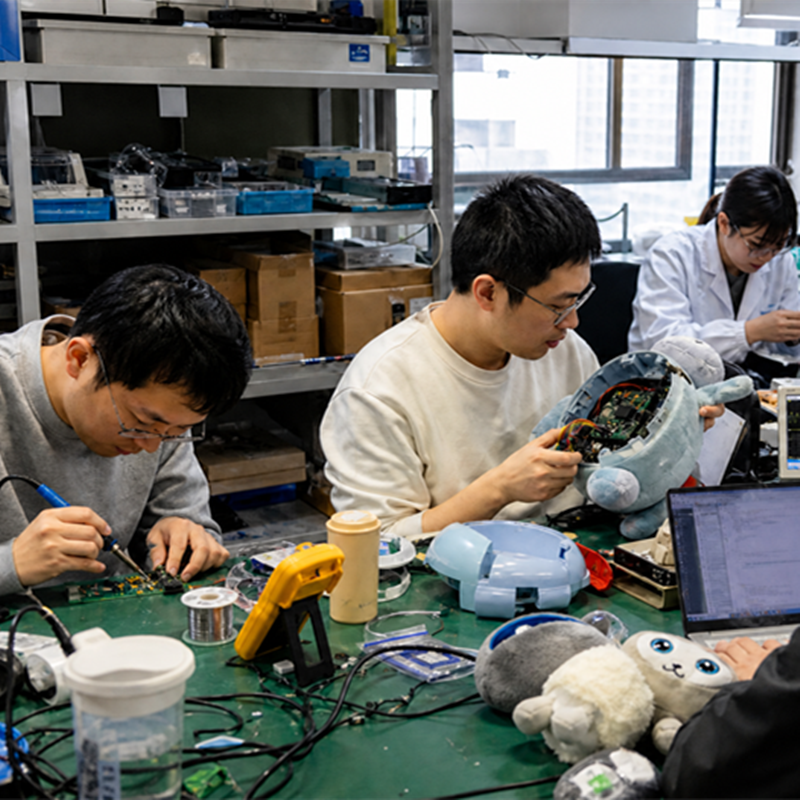
At Shenzhen Flowen Technology Co., Ltd., we resolve this through proprietary structural silicone resonance chambers, isolated MEMS microphone arrays with beamforming, and embedded Digital Signal Processors (DSP) tuned for hardware-level Acoustic Echo Cancellation (AEC).
Far-field Voice Isolation up to 3 Meters
Dual-mic Hardware Noise Suppression
Zero-vibration Internal Speaker Mounting
3. Data Privacy & Strict Child Safety Regulations
For B2B importers targeting the US, UK, and EU, connected toys must strictly navigate the Children's Online Privacy Protection Act (COPPA), GDPR-Kids, EN 71, and ASTM F963. Security cannot be an afterthought; it dictates firmware architecture.
Our solutions feature localized wake-word engines, end-to-end encrypted voice streaming pipelines, zero-storage audio buffers, and hardware-level microphone kill switches, giving parents total security while protecting our distributors from regulatory liability.
Encrypted TLS 1.3 Streaming Websockets
Zero PII (Personally Identifiable Info) Storage
Full CPC, CE, FCC, RoHS & UN38.3 Testing
Enterprise Product Portfolio
Curated Language Immersion Companion Robots for Global Importers
Precision-engineered conversational hardware ready for private label deployment, custom firmware flashing, and rapid retail scaling.
FlagshipCECPC
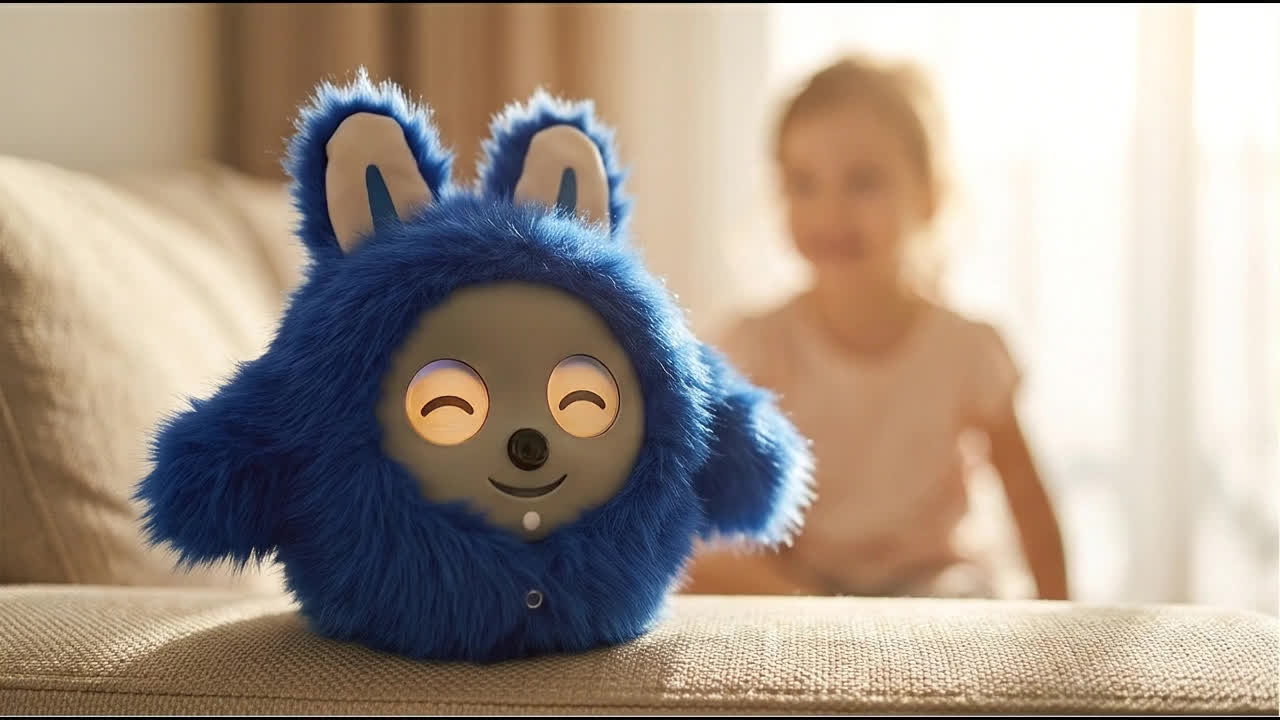
PolyGlot-Pro: Full-Duplex Language Immersion Companion Robot
MOQ: 20 pcs50+ LanguagesDual DSP
Engineered for school-age ESL/EFL learners. Features real-time voice streaming with sub-800ms latency, dynamic CEFR vocabulary leveling, contextual storytelling, and soft PP-cotton tactile plush body.
Tailored for both domestic and institutional curricula. Integrates structured phonetic drills, conversational question-and-answer routines, and interactive language quizzes without exposing young children to screens.
Kbao AI Portable: Backpack Micro-Immersion Companion
MOQ: 1 pcCompact 12cmBLE / Wi-Fi
Pocket-sized companion designed for daily micro-immersion. Clip it to backpacks for on-the-go conversational practice, daily vocabulary challenges, and motivational language reminders throughout the day.
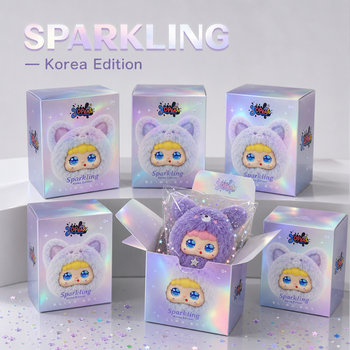
LingoSurprise: AI Plush Blind Box Immersion Collectibles
MOQ: 20 pcsViral Retail IPMulti-Persona
Combines the explosive retail appeal of collectible designer blind boxes with personality-driven conversational AI. Each character features distinct accents, vocal personas, and tailored immersion stories.
Custom IP Language Companion: Bespoke Character ODM
MOQ: Project-basedFull CustomOTA Cloud
Transform your licensed IP character into a talking, empathetic language tutor. Shenzhen Flowen Technology Co., Ltd. provides end-to-end tooling, fabric sourcing, board layout, and custom system prompt tuning.
Future B2B Procurement Trends in Language Immersion Robotics
Actionable market data for category managers, toy buyers, and digital education product owners preparing their 2025–2028 supply pipelines.
1. Transition to Hybrid Edge-SLM + Cloud Routing
Enterprise buyers are rapidly moving away from 100% cloud-dependent voice engines. Severe latency, high API recurring costs, and vulnerability to offline Wi-Fi dead zones make pure cloud toys fragile in real-world family environments.
The emerging procurement standard involves small language models (SLM) running on high-efficiency microcontrollers for routine offline interactions (greetings, phonetic feedback, standard bedtime routines), dynamically offloading complex immersion conversations to secure cloud LLMs only when low-latency broadband is available.
2. Unbundling Screen Hardware to Prevent Myopia & Fatigue
Health ministries in North America, France, Germany, and East Asia have tightened guidelines regarding screen time for children under 8 years. Consequently, parent sentiment is shifting vigorously toward tactile, screen-free educational companions.
Procurement teams are prioritizing acoustic immersion hardware over integrated LCD screens. The removal of LCD modules not only slashes Bill-of-Materials (BOM) cost and eliminates brittle glass failure risks, but also aligns directly with premium organic lifestyle branding.
3. Zero-Trust Hardware Privacy as an RFP Prerequisite
Global supermarket chains, toy mega-retailers, and institutional school boards will no longer stock connected audio devices lacking certified cryptographic firmware verification.
Upcoming tenders require physical mic disconnect switches, ephemeral voice chunking (where audio is discarded immediately following text-to-speech rendering), and localized parental control gateways where private user metrics never leave the internal home router without explicit opt-in permissions.
4. Dialect & Accent-Specific Localization
Standard synthetic robotic voices are rejected by modern language learners. Buyers are demanding regionally accurate accents—such as distinguishing Parisian French from Quebecois French, or High Castilian from Mexican Spanish.
Shenzhen Flowen Technology Co., Ltd. addresses this demand by pre-integrating multi-accented speech synthesizers and localized prosody engines, empowering distributors to dominate regional niches with a unified physical shell.
International shipping freight regulations (IATA UN38.3) make large lithium battery packs costly and legally cumbersome. Importers are seeking ultra-low-power Bluetooth Low Energy (BLE) and Wi-Fi 6 chips that operate for 8 to 12 hours on compact, certified lithium polymer cells with flame-retardant enclosures.
6. Flexible Low-MOQ Validation Runs Before Full Scale
Given the rapid cadence of software model upgrades, B2B buyers can no longer risk ordering 50,000 units blindly. Importers favor factories that support 20-unit to 500-unit pilot runs to test retail traction, iterate system prompts, and validate regional demand prior to full-scale container deployments.
Technological Trajectory
How Language Immersion Companion Robots Are Evolving
From deterministic state machines to multi-modal affective companions: the core architectural milestones driving next-generation hardware development.
Evolution Stage 1: The Speech-to-Speech (S2S) Direct Pipeline
Traditional setups use a three-step waterfall process: Automatic Speech Recognition (ASR) converts voice to text; an LLM creates a text answer; then Text-to-Speech (TTS) synthesizes the audio. This creates unavoidable latency of 2 to 4 seconds, destroying conversational flow.
Next-gen Language Immersion Robots adopt native end-to-end Speech-to-Speech (S2S) models. Audio waveforms are processed directly into speech tokens, preserving emotional inflections, laughter, hesitation, and authentic prosody with latency below 500 milliseconds.
Second language acquisition is heavily inhibited by the affective filter—learners feel anxious about making mistakes in front of human teachers. Future robotic companions utilize vocal sentiment analysis to detect tone, pitch shifts, and stammering.
When the robot detects student hesitation, it automatically switches to an encouraging tone, suggests intermediate vocabulary hints, and reduces speech rate without punitive corrections, maintaining student motivation and confidence.
Conversations become far more memorable when paired with tactile feedback. Modern robotic plush companions integrate capacitive touch sensors on ears and paws, haptic motors in the torso, and expressive LED matrix eye displays behind fabric covers.
Learners learn prepositions ("pat my head", "hold my right hand") through physical embodiment, bridging the gap between abstract grammar concepts and concrete sensory experiences.
Buyer Knowledge Base
Frequently Asked Questions by Global B2B Buyers
Detailed engineering, compliance, shipping, and commercial answers for purchasing managers and EdTech product leaders.
What is the technical definition of a Language Immersion Companion Robot?
A genuine Language Immersion Companion Robot is an interactive hardware device featuring bidirectional full-duplex conversational voice intelligence. Unlike legacy toys loaded with pre-recorded audio loops, it uses deep natural language processing, dynamic contextual memory, and real-time Speech-to-Speech or streaming LLM/SLM engines. It evaluates the speaker's fluency in real time, scaffolds conversations according to CEFR language benchmarks, adapts its sentence structure on the fly, and supports spontaneous, screen-free language acquisition through natural spoken dialogue.
How does Flowen overcome acoustic echo and muffled audio in soft plush toys?
Plush fabrics and PP-cotton filling cause unpredictable sound absorption and cavity reverberation. Shenzhen Flowen Technology Co., Ltd. resolves this with custom silicone acoustic resonance isolation pods, anti-vibration speaker chassis, and dual MEMS microphone arrays with beamforming. These hardware components are paired with a dedicated DSP running proprietary Acoustic Echo Cancellation (AEC), Noise Suppression (NS), and Automatic Gain Control (AGC), ensuring crystal-clear voice pick-up up to 3 meters away even when the robot is speaking.
Which languages and dialects are supported out of the box?
Our standard firmware supports over 50 languages, including English (American, British, Australian, Indian), Spanish (Castilian, Latin American), French, German, Arabic (Modern Standard, Gulf, Levantine, Egyptian), Korean, Japanese, Mandarin, Italian, and Portuguese. We also provide bilingual tandem modes (such as Arabic/English and Spanish/English) designed specifically for cross-language home learning.
Can our engineering team integrate proprietary language models or our own cloud API?
Yes. We offer complete architectural flexibility. You can either use our pre-configured turn-key multi-agent cloud infrastructure (hosted in EU/US compliant AWS/Azure clusters) or point our Wi-Fi audio stream to your own custom WebSocket server, proprietary LLM endpoints, or customized character personality pipelines via our documented SDK and MQTT protocols.
What international toy safety and electronic certifications are available?
Our featured products hold full CE compliance (EN 71 Parts 1, 2, 3; EN 62115 for electric toy safety; and RED directive for radio equipment) for the European Economic Area, and Children's Product Certificates (CPC) based on ASTM F963 and CPSIA testing for the United States. Furthermore, built-in lithium-ion battery modules comply with UN38.3 transport tests, IEC 62133, and carry complete MSDS documentation.
How do your products comply with COPPA and GDPR-Kids data privacy mandates?
Privacy is integrated into our hardware and cloud design. Audio streaming uses encrypted TLS 1.3 channels. Voice data is processed transiently in RAM to generate conversational responses and is never stored on permanent hard disks or used for advertising model training. We can also provide a physical mechanical power/mic-cut switch, and complete parental companion mobile apps allowing parents to audit or purge conversation logs at will.
What are your Minimum Order Quantities (MOQ) and sample lead times?
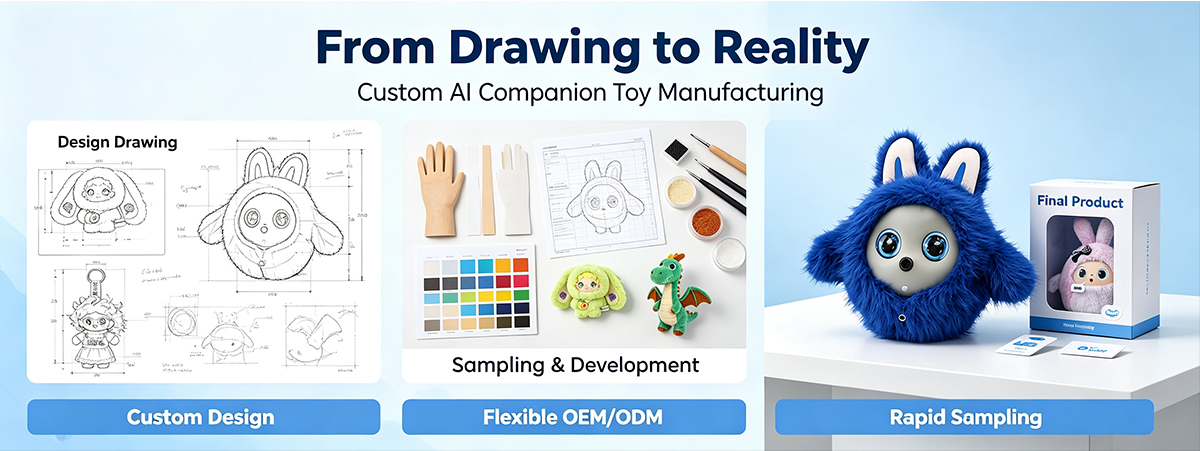
For evaluation samples of catalog models, MOQ starts from just 1 unit. Standard catalog wholesale orders begin at 20 units. For complete bespoke OEM/ODM manufacturing—including unique plush character patterning, private label embroidery, custom PCB layout, and tailored retail packaging—MOQ typically ranges from 500 to 1,000 units depending on textile complexity. Functional prototypes can be delivered in 7 to 14 working days.
What Incoterms and international settlement methods do you support?
Shenzhen Flowen Technology Co., Ltd. operates regular export deliveries under FOB Shenzhen, CIF, CFR, EXW, FCA, CPT, CIP, DDU, and DDP terms directly to your warehouse doors in North America, Europe, or the Middle East. We accept T/T, L/C at sight, D/P, PayPal, Western Union, and Alibaba Trade Assurance, transacting in USD, EUR, GBP, JPY, CAD, AUD, HKD, and CNY.
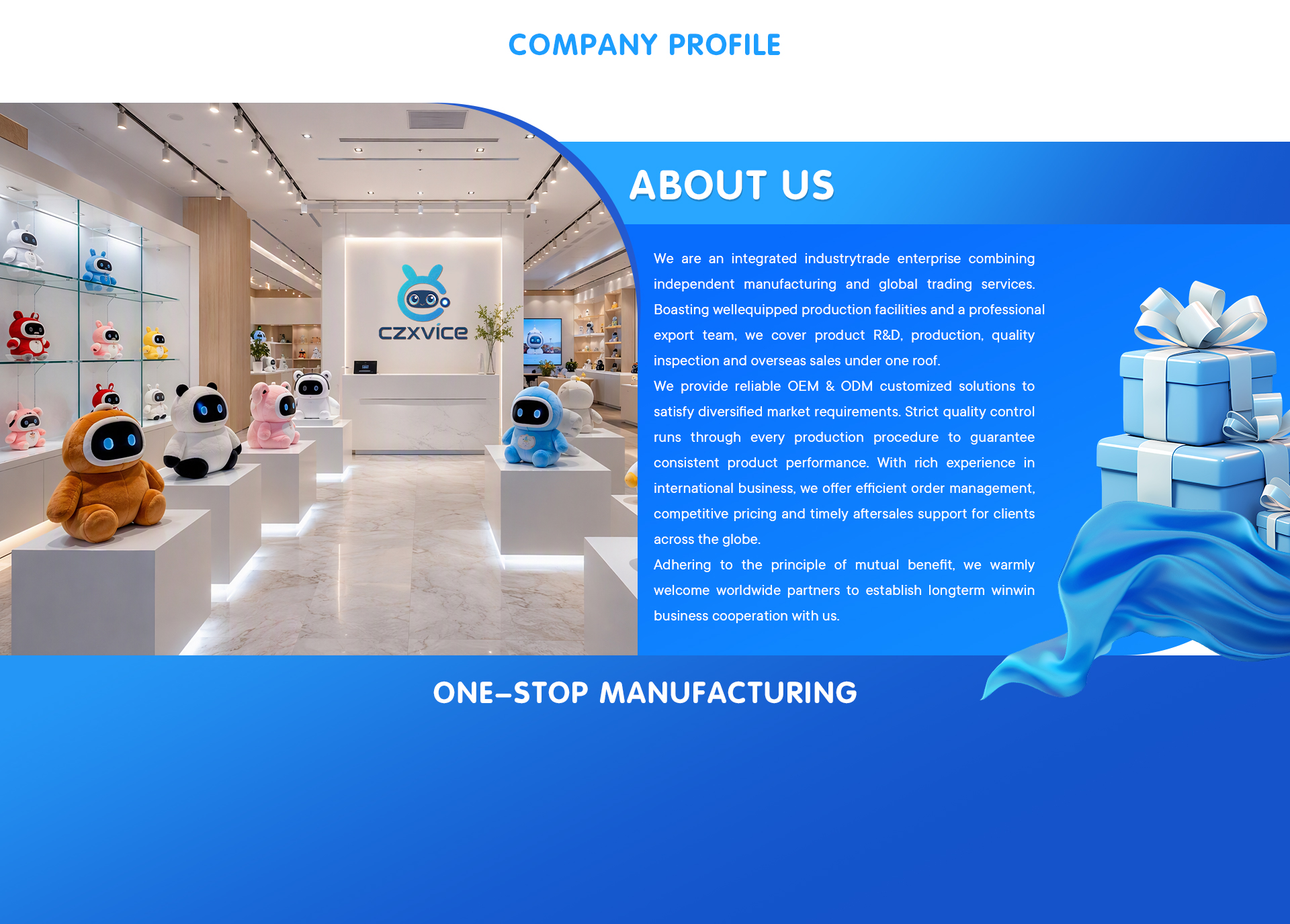
Headquartered in the global electronics capital of Guangdong, Shenzhen Flowen Technology Co., Ltd. bridges the historic divide between traditional soft plush toy manufacturing and high-speed conversational artificial intelligence.
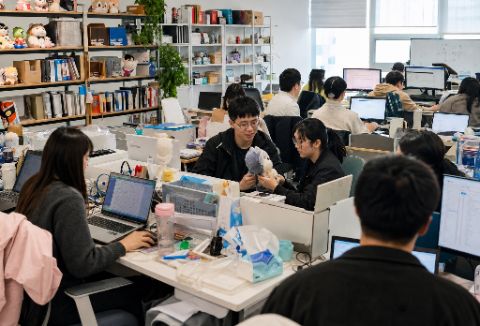
Most smart-toy initiatives fail because plush factories lack electronics R&D expertise, while electronics firms treat plush as a packaging afterthought. We eliminate this friction by housing textile pattern makers, acoustic engineers, embedded firmware coders, and international compliance experts under one unified workflow.
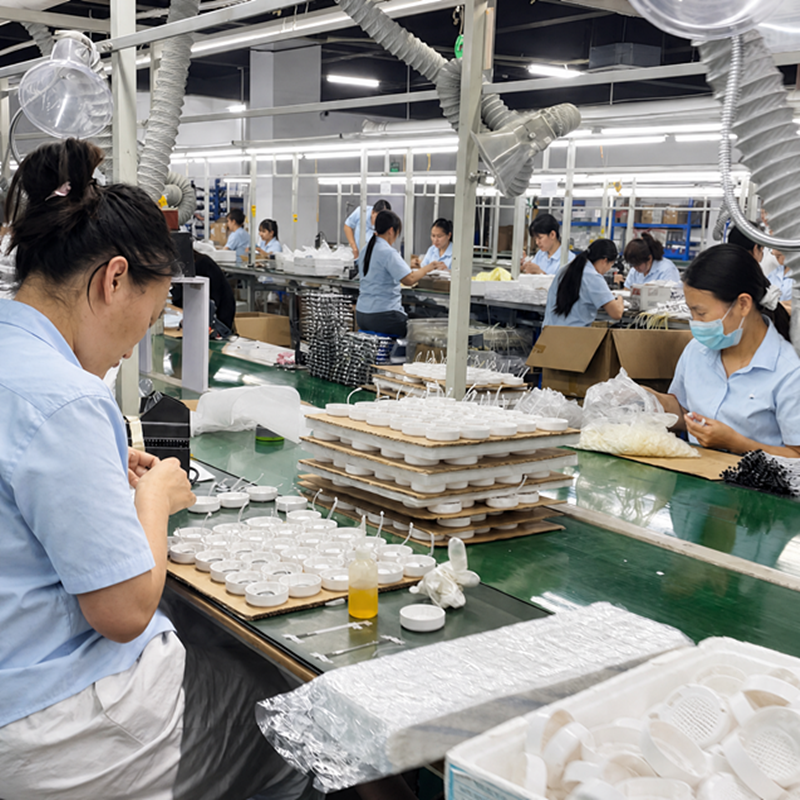
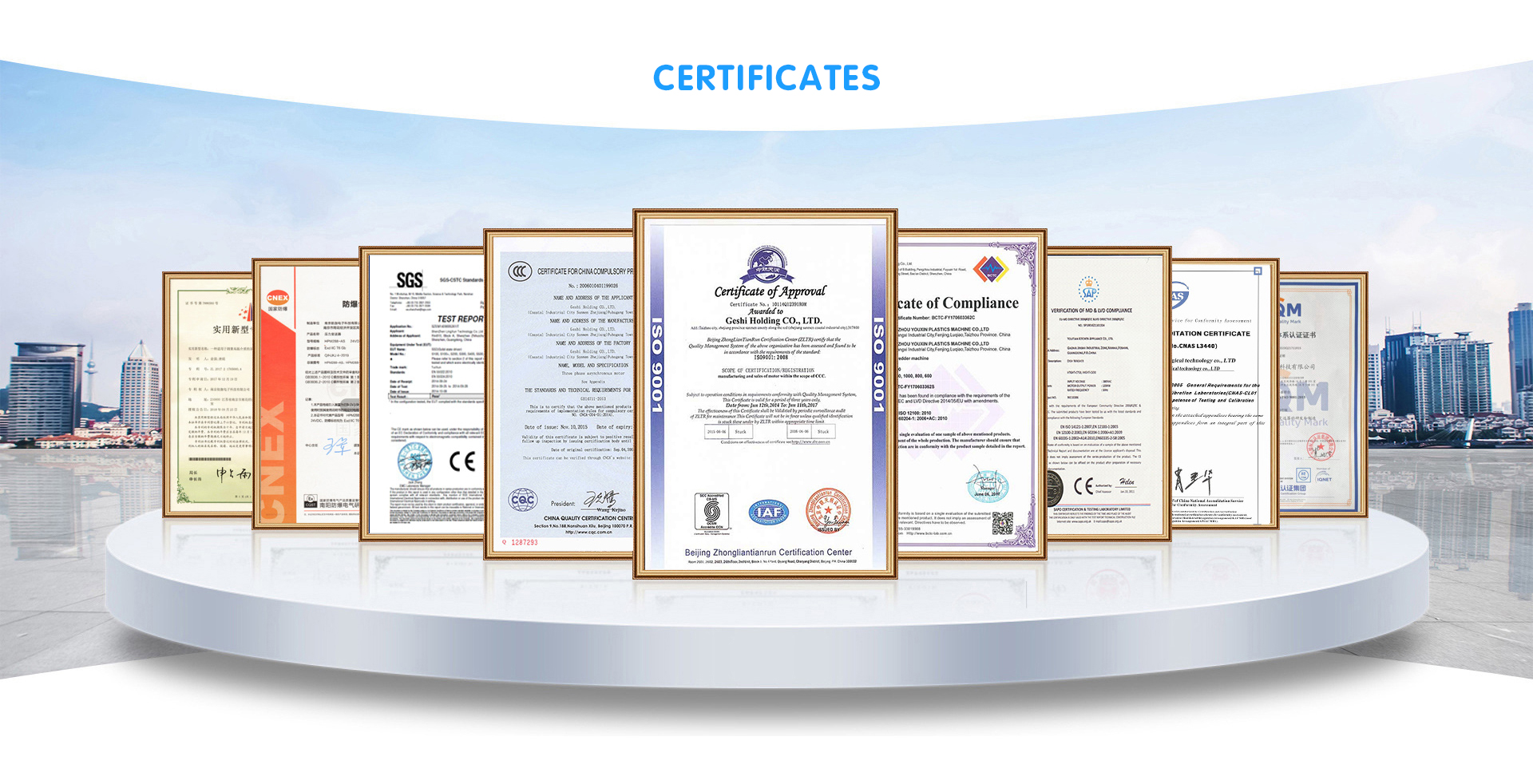
Avoid expensive customs hold-ups and brand damage. Shenzhen Flowen Technology Co., Ltd. provides comprehensive, lab-verified certification portfolios with every production batch.
European Union CE DirectivesTested under EN 71 (Mechanical/Flammability), EN 62115 (Safety of Electronic Toys), and RED radio standards.
US Children's Product Certificate (CPC)Strictly compliant with ASTM F963-17, CPSIA lead content, and phthalate requirements for US customs clearance.
IATA UN38.3 & IEC 62133 Battery SafetyCertified for safe commercial air cargo and maritime ocean container transport without hazardous goods surcharges.
Send your concept sketch, target market requirements, language preferences, and volume projections. Our team replies with BOM calculations, acoustic advice, and prototyping schedules.