0%

Choosing a plush toy is about more than a cute face. Children may want a bedtime companion, a playful storyteller, or a soft friend that reacts to their voice. A smart interactive plush toy can offer sounds, simple conversations, music, or touch responses, depending on its design. Small details matter. A quiet voice can suit bedtime, while clear buttons may make play easier for little hands. Yet a long list of features does not guarantee a better experience. Some children prefer simple, predictable play.

This 2026 guide introduces ten options and explains what each may offer families. It considers age guidance, interaction style, setup, cleaning needs, battery requirements, and how clearly product details are presented. Check the manufacturer’s current instructions, since features and availability can change. Look for washable parts or clear cleaning advice, especially for a toy used daily. Check whether an app, account, or internet connection is needed before buying. Parents should also consider how a child’s voice or other data may be handled, using the product’s privacy information rather than assumptions. No toy suits every child. A feature that delights one may frustrate another, and published descriptions cannot show exactly how a toy feels in daily use. That is worth remembering. The best choice is often the one that fits a child’s routines, interests, and comfort—not simply the one with the most technology.
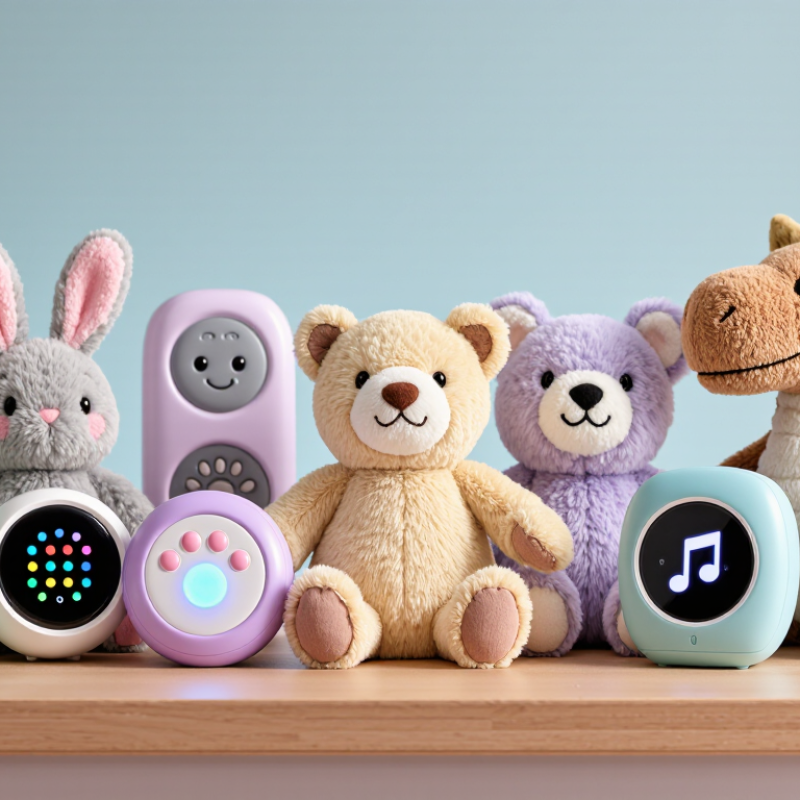
Top 10 Smart Interactive Plush Toys for Kids in 2026

What Defines a Smart Interactive Plush Toy?

A smart interactive plush toy combines the comfort of a soft toy with simple electronic responses. It may react to a child’s voice, a squeeze, or a gentle tap. A small microphone, speaker, and touch sensor can help it answer questions, tell stories, or play familiar sounds. The key is meaningful interaction, not a long list of features. Some toys need an app or internet connection; others work with buttons and built-in audio.

Good interaction should feel understandable and age-appropriate. A child might press a paw and hear a short prompt, then receive a spoken response. Responses can be playful, but they should not pretend the toy understands everything. Not every reply will feel natural. That matters. Clear volume controls, simple setup, and durable seams can make daily use easier for families. Check the care instructions, since electronic parts usually limit how a plush toy can be washed.

Smart features also bring practical questions. Does the toy record voice, and where is that audio stored? Look for clear privacy information, an easy way to mute the microphone, and settings adults can manage. A toy should not replace conversation, reading, or imaginative play. It can offer a helpful spark, though children may lose interest when responses become repetitive. That is worth considering before choosing one.

How Sensors, Voice, and Software Shape Interaction

Sensors, voice, and software turn a plush toy into a small interactive system. A pressure sensor can trigger a gentle reply when a child squeezes its paw; a microphone can recognize a short phrase, while a speaker answers in a familiar tone. Motion sensors add context: the toy might react when lifted or rocked. These cues work best when responses feel quick and predictable. Delays can make a cuddly companion seem oddly unresponsive.

Software determines what the toy remembers and how it changes over time. For young children, simple routines and clear limits are often more useful than endless conversation. Circana reported that toy sales across 12 major markets rose 2% in 2024 compared with 2023. This is broad toy-market data, not proof of growth in smart plush specifically. That distinction matters. A polished voice can still hide clumsy interaction, and I would want to test repeated questions, background noise, and accidental button presses before judging a toy.

Tips: Check whether the toy works without Wi-Fi, whether its microphone can be muted, and how caregivers manage saved recordings. Try it in a noisy room. Small details matter. A clear pause button may be more useful than another clever response. Read the setup and privacy instructions together with your child; even good designs can feel confusing at first.

Features for Learning, Play, and Emotional Comfort

A smart plush earns its place through useful interaction, not a pile of sensors. For learning, choose prompts that invite children to answer, repeat, or invent stories. A 2016 JAMA Pediatrics study of 26 parent-infant pairs found fewer adult words and conversational turns during play with electronic toys than with books or traditional toys. The sample was small, but the finding offers a useful reminder: toys should encourage conversation, not replace it.

Play should stay hands-on. A plush might name colors, pause for a response, then offer a silly story choice. Check volume controls, washable surfaces, age guidance, and whether basic activities work without an app. Common Sense Media’s 2020 Census reported that children aged eight and under averaged 2 hours and 24 minutes of screen media daily. That figure does not prove connected toys are harmful. It does make screen-free play modes worth considering.

Emotional comfort is harder to measure than vocabulary. Look for calm, predictable responses, gentle sounds, and clear limits. A plush cannot assess distress or replace a caring adult. Let children lead. In everyday use, a toy may repeat itself or miss a cue; that imperfect moment deserves attention, not marketing gloss. Adults should review privacy settings and stay nearby, especially with younger children.

Top 10 Smart Interactive Plush Toys for Kids in 2026

Choosing among the top 10 smart interactive plush toys for kids in 2026 starts with a child’s routines. Button count matters less. A voice-responsive animal can answer simple prompts. A story companion can retell short tales. A music plush can play gentle tunes. A bilingual toy can practice everyday words. A feelings-focused character can help children name emotions. Keep volume adjustable. Small detail, big difference.

Other popular styles include a bedtime plush with a soft timer, a movement-reactive toy that responds to hugs, and a question-and-answer companion with age-appropriate content. A customizable character offers outfit changes, while a sensory plush combines textures, lights, and limited sound. These ten styles differ in purpose, but extra features do not guarantee learning value. Check the age range, washing instructions, battery access, and privacy settings. See whether the toy works without an app or internet connection. Listen for harsh audio, and test whether small hands can manage the controls. Check seams and attachments, too. Not every child enjoys speech or flashing lights; some prefer quiet comfort. That trade-off deserves thought.

How to Compare Safety, Age Fit, and Privacy **

A smart plush should feel soft, but its safety details deserve a close look. The U.S. Consumer Product Safety Commission estimated 231,700 toy-related emergency-room injuries in 2023; that figure covers toys broadly, not interactive plush toys alone. Check age labels, seams, detachable eyes, battery compartments, and washable-care instructions. For younger children, loose accessories and long charging cords can be easy to overlook. Small details matter.

Age fit is more than the recommended number on a box. Can a child understand the toy’s prompts, pause its responses, and play without an app? Common Sense Media’s 2020 Census reported that children aged eight and under averaged 2 hours and 24 minutes of screen media daily. That is not a measure of plush-toy use, but it’s a useful reminder to compare screen-free play with connected features. Privacy needs the same hands-on check: look for a physical microphone switch, clear recording controls, and a way to delete stored data. Read the retention and sharing terms, too. I would not assume a “parental control” label explains what happens to recordings. A neat checklist helps, but it can still miss how a toy behaves in a noisy bedroom or when a child asks an unexpected question.

FAQS

What is a smart interactive plush toy?

It combines a soft toy with simple electronic responses. It may react to a squeeze, tap, or spoken phrase. The interaction should feel clear, not endlessly clever.

How can sensors affect a toy’s responses?

A touch sensor may trigger a reply when a child presses a paw. A microphone can recognize short phrases, while motion sensors may respond when the toy is lifted. Delays can feel strange.

Does a smart plush toy need Wi-Fi or an app?

Some toys need an app or internet connection; others use buttons and built-in audio. Check which activities work offline. That small detail matters.

What privacy features should caregivers check?

Look for clear information about voice recording and storage. Check whether adults can mute the microphone and manage saved recordings. Read the settings together.

Can a smart plush toy support learning?

It can invite a child to name colors, answer prompts, or invent a story. Choose activities that leave room for conversation. A toy should not take over.

Can it replace books or imaginative play?

No. Research cited in the article found fewer adult words and conversational turns during play with electronic toys than with books or traditional toys. The study was small, so its limits matter too.

What makes a plush toy comforting?

Calm, predictable replies and gentle sounds may feel reassuring. A toy cannot assess distress or replace a caring adult. Not always.

What practical details are worth checking before choosing one?

Check volume controls, age guidance, durable seams, and care instructions. Electronic parts can limit washing. I would also test repeated questions and background noise; responses may become repetitive.

Conclusion

Smart interactive plush toys combine the familiar comfort of a soft companion with responsive features such as touch sensors, microphones, speakers, and simple software. These elements can help a toy react to a child’s words or actions, tell stories, play games, and support imaginative routines. Depending on its design, a smart interactive plush toy may also encourage early learning, conversation, or emotional expression while remaining a cozy playtime companion.

When comparing options for 2026, consider whether the interactions suit the child’s age, interests, and developmental needs. Look at the toy’s materials, construction, and care instructions, as well as how its voice and sensor features work. Privacy deserves attention too: understand what information the toy may collect, whether it connects to other devices, and what settings caregivers can control. The best choice balances engaging play and comfort with age-appropriate design, dependable safety features, and clear privacy controls.

Ethan

Ethan

Ethan is a professional marketing specialist dedicated to helping businesses understand products, communicate value, and build lasting relationships with their audiences. With a strong knowledge of the company’s product portfolio, customer needs, and industry trends, he creates clear, practical,......