Global Sourcing & Engineering Whitepaper

Custom OEM PP cotton plush toy Manufacturers & Suppliers

High-resilience hollow conjugated fiber processing, embedded AI edge-computing modules, and rigorous ISO/CE/CPC compliance for global brands, distributors, and IP franchisors.

Enterprise Product Showcase

Precision-Engineered Smart & Traditional PP Cotton Plush

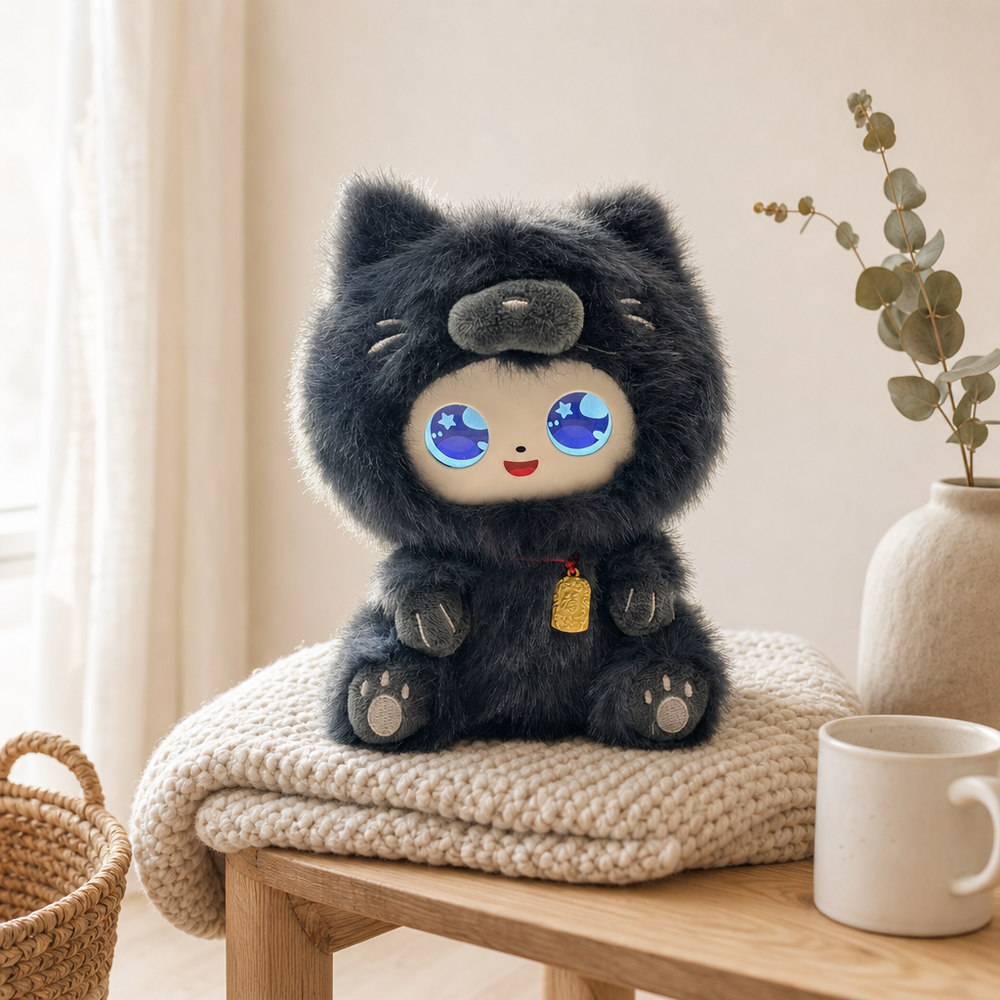
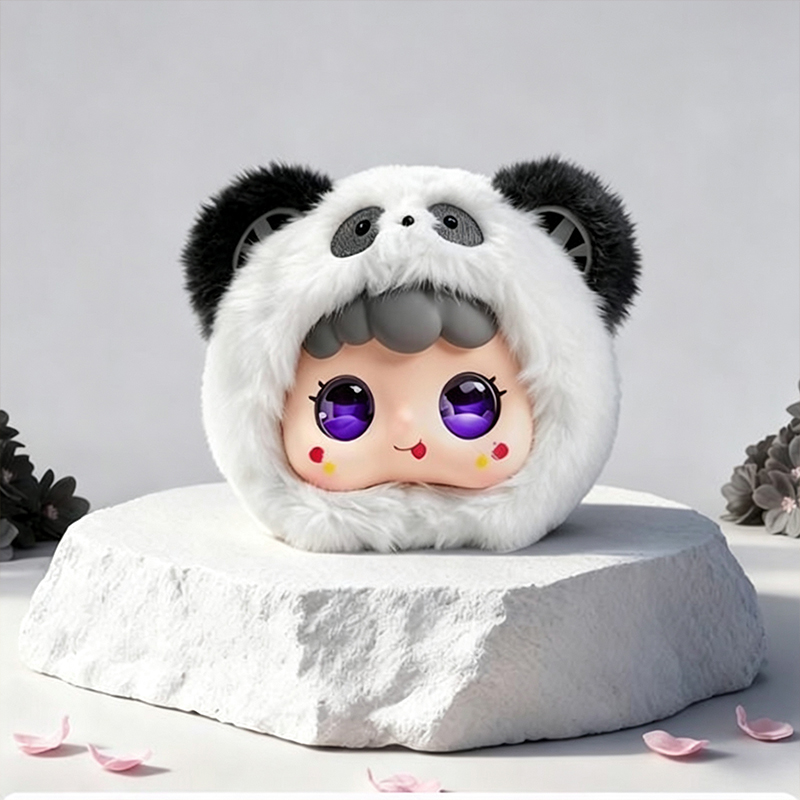
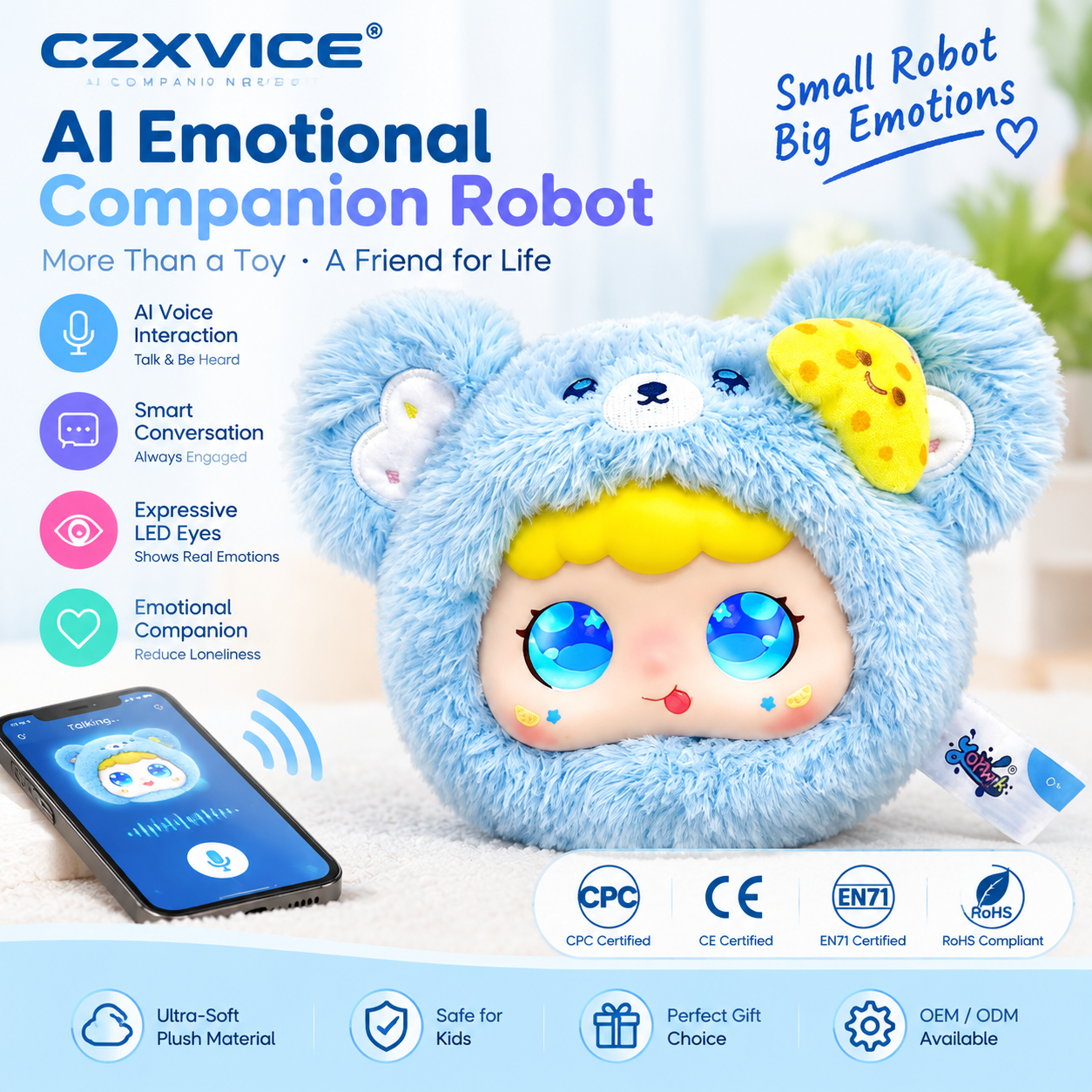
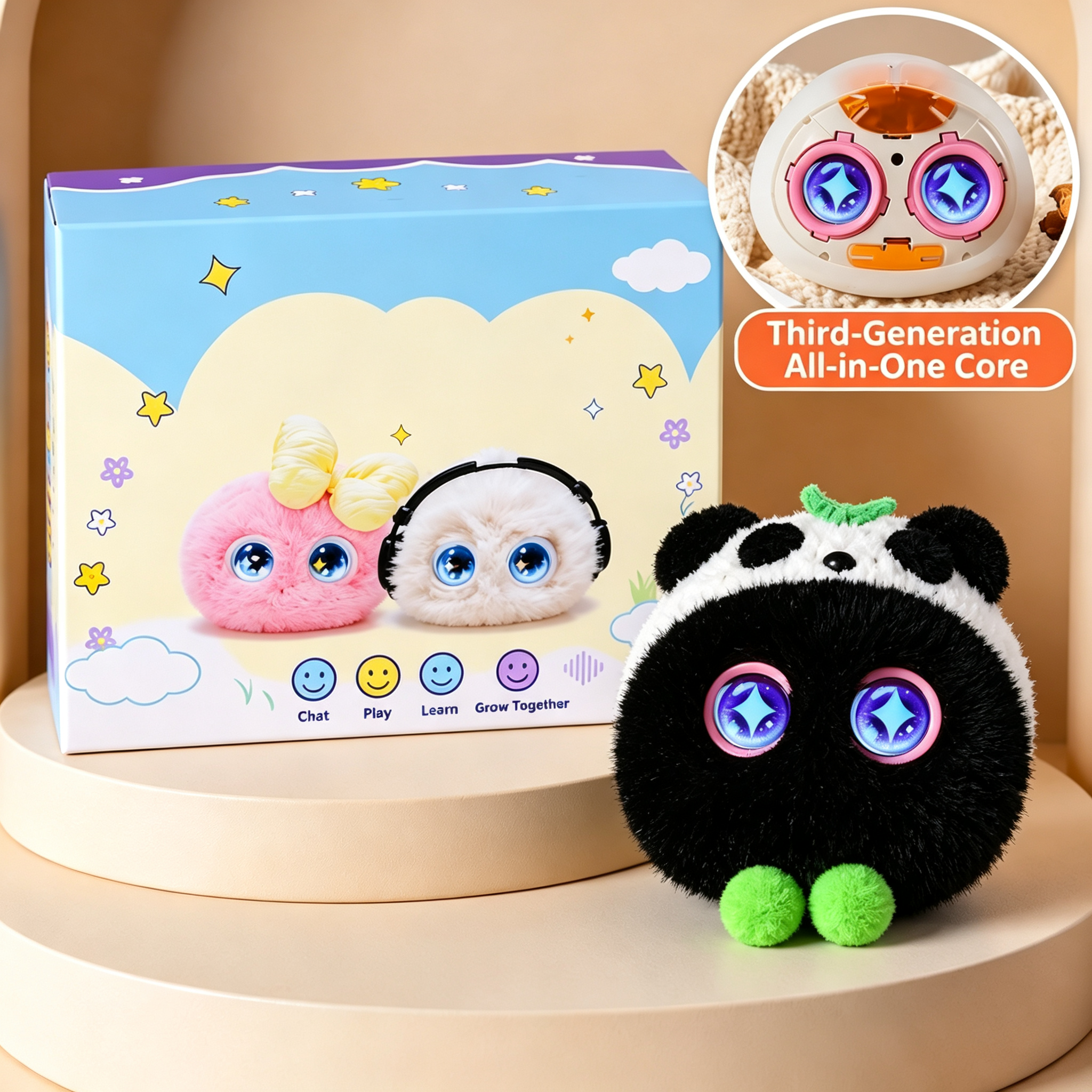
Direct-from-factory OEM/ODM configurations utilizing virgin 7D/15D conjugated hollow siliconized PP cotton, reinforced seam architecture, and optional voice-responsive microelectronics.
50+

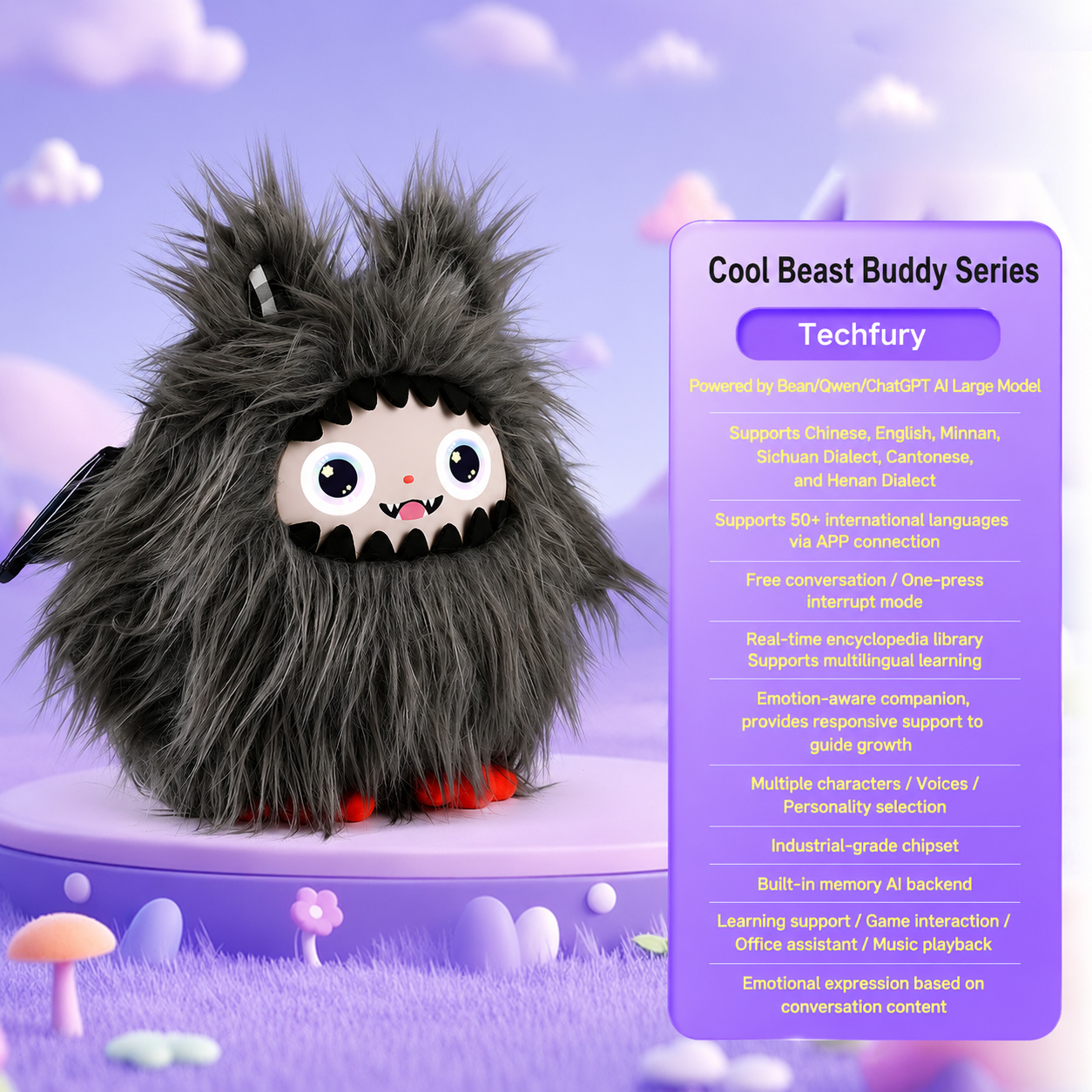
Interactive Languages Supported

>96%

PP Cotton Resilience Recovery

100%

Needle & Seam Pull Tested

CE / CPC

Verified Regulatory Conformity

Material Science & Structural Engineering

The Physics of PP Cotton: Optimizing Loft, Tactility, and Electronics Encapsulation

Polypropylene (PP) cotton is not a monolithic commodity. Understanding linear mass density, hollow fiber siliconization, and thermal dynamics determines the difference between an uninspiring stuffed doll and an heirloom-grade, high-compliance consumer product.

Fiber Denier Grading: 3D vs. 7D vs. 15D

OEM plush engineering requires calibrated fiber blending. 3D microfibers deliver silk-like surface conformity for delicate plush faces, while 7D conjugated hollow siliconized fibers form the elastic structural backbone. 15D coarse fibers are strategically applied to lower extremities to preserve vertical posture and mechanical resistance during repeated hugging compressions.

Acoustic Cavity & Thermal Dissipation

Integrating microelectronics inside stuffed toys creates two critical engineering hazards: thermal buildup and acoustic dampening. Flowen pioneers vented silicone baffle cradles suspended directly inside the PP cotton matrix. This maintains constant 20-30mm air buffers around LiFePO4 battery modules while ensuring high-fidelity voice transmission through custom sonic-permeable velboa fabrics.

Virgin vs. GRS Recycled Polyesters

Global retail standards demand environmental accountability without compromising hygiene. We supply both 100% virgin hypo-allergenic PP polymers and GRS (Global Recycled Standard) certified rPET fiber processed from traceable post-consumer plastic. Every batch passes automated optical sorting and double metal detection to prevent contamination and skin irritation.

Procurement Specification Benchmarks

Comparative Technical Specifications: Traditional vs. Smart AI Plush

A granular comparison designed for procurement officers, safety compliance managers, and supply chain directors evaluating manufacturing parameters across consumer toy categories.

Technical Metric Standard Decorative Plush High-Resilience Sensory Plush Flowen AI Interactive Smart Plush
Primary Fill Composition 100% Standard PP Raw Fiber 7D Conjugated Siliconized PP + Micro-beads 3D/7D Dual-Phase Virgin Siliconized PP
Resilience Recovery Rate 75% - 82% (Post-Vacuum Unpacking) 88% - 92% >96.5% Recovery within 12 Hours
Seam Pull Strength Rating >50N (ASTM F963 Clause 8.9) >65N Reinforced Stitching >85N Heavy-Duty Double-Lock Stitch
Electronic Cavity Protection Not Applicable (Non-electronic) Basic Soundbox Pocket Flame-Retardant ABS/Silicone Shielding Box
Washability & Maintenance Surface Wash Only Hand Wash / Machine Delicate Modular Detachable Core / Anti-Bacterial Shell
Safety & Compliance Testing EN71-1/2/3, ASTM F963 EN71, ASTM, CPSIA Phthalates CE-RED, FCC ID, CPC, EN62115, RoHS 2.0
Typical Evaluation MOQ 500 - 1,000 Units 300 - 500 Units 1 - 20 Units (Catalog) / Flexible Custom OEM
Industry Foresight

Future Procurement Trends: Where Smart Plush Engineering is Heading

The intersection of generative artificial intelligence, circular textile mandates, and screen-free developmental education is transforming the toy industry into a high-technology manufacturing domain.

1. Screen-Free Multimodal LLM Companions

Parents and educational institutions are actively rejecting screen exposure for early childhood. Next-generation PP cotton plush integrates low-power cloud-connected or edge-computing NLP processors that converse with children naturally, fostering vocabulary development without OLED or LCD visual fatigue.

2. Zero-Lead & Microplastic-Free Filling

Stricter European REACH annexes and US state-level EPR legislation will penalize non-circular consumer goods. Future procurement mandates will require cradle-to-gate transparency where the PP cotton matrix, outer plush pile, and sewing threads share homogeneous polyester origins for direct recycling.

3. Ultra-Low Latency Bilingual Voice Switching

International distributors require products that transcend regional language silos. Next-generation interactive plush features multilingual firmware engines capable of dynamically switching between English, Arabic, German, Spanish, and French, expanding global export market addressability under a single SKU.

4. Hardware Security & KidSafe Data Privacy

Regulatory compliance frameworks like the US COPPA 2.0 and EU AI Act place significant legal burdens on connected plush toys. OEM manufacturers must build end-to-end hardware encryption, physical microphone disable switches, and certified non-recording localized voice recognition directly into toy shells.

Manufacturing Leadership

Why Tier-1 Global Importers Partner with Shenzhen Flowen Technology

Eliminating the friction between traditional textile stitchers and advanced software labs through unified, in-house OEM/ODM project management.

Unified Plush & Electronics Engineering

Most smart plush failures occur when third-party electronics are forced into an incompatible stuffed animal shell. Flowen houses CAD pattern cutters, structural plush seamstresses, firmware developers, and acoustic engineers under one operational roof, eliminating costly structural redesign cycles.

Rigorous Full-Inspection Quality Control

We deploy a comprehensive multi-gate quality assurance process: high-sensitivity dual-probe metal detectors calibrated to 0.8mm ferrous particles, tensile strain tests exceeding 85N on pull-tabs, 48-hour continuous battery burn-in cycles, and 100% individual voice clarity sweeps before export packing.

Flexible Logistics & Incoterms Agility

From low-risk evaluation orders starting at 1-20 units to multi-container mass production, we facilitate international commerce with seasoned export capabilities spanning North America, Europe, and South America under FOB, CIF, EXW, FCA, and turnkey DDP terms.

Procurement Knowledge Base

Frequently Asked Questions: Sourcing Custom PP Cotton Stuffed Toys

Authoritative technical answers to critical sourcing questions asked by corporate buyers, product developers, and toy compliance officers.

What is the technical difference between 3D, 7D, and 15D PP cotton filling?
The "D" signifies Denier, a unit of measure for linear mass density defined as grams per 9,000 meters of fiber. In custom plush manufacturing, 3D fibers (0.33 Tex) are ultra-fine microfibers that give smaller stuffed toys and facial contours a soft, non-lumpy finish. 7D fibers are hollow conjugated spirals treated with silicone oil, providing the optimal balance of cloud-like softness, high air permeability, and rapid rebound resilience. 15D fibers have thick, rigid hollow walls used for dense structural support in larger plush toys (over 40cm) or internal core zones. Flowen typically engineers a proprietary hybrid blend of 7D and 3D fibers to maximize huggable volume while minimizing compression fatigue over time.
How does vacuum packaging impact PP cotton resilience, and how can recovery be accelerated?
Vacuum packaging reduces export shipping volume by up to 70%, significantly lowering sea and air freight expenses. However, inferior non-siliconized or recycled PP cotton can suffer mechanical deformation, resulting in permanent creasing and hollow voids. Flowen exclusively uses virgin conjugated siliconized hollow fiber with an elastic memory index exceeding 96%. Upon unboxing, our plush reaches 85% volume within 2 hours. To achieve 100% full loft instantly in commercial fulfillment centers, items can be tumbled in a commercial low-heat air dryer for 5-8 minutes or subjected to ultrasonic textile steam fluffing.
What international toy safety certifications are mandatory for OEM plush with integrated electronics?
Standard non-electronic plush toys requires physical and mechanical testing (EN 71-1, ASTM F963), flammability compliance (EN 71-2, 16 CFR 1500.44), and chemical migration analysis (EN 71-3, CPSIA total lead and phthalates). However, when interactive electronic components, Bluetooth modules, or voice processors are embedded within the PP cotton cavity, additional certifications become legally mandatory: CE-RED (Radio Equipment Directive 2014/53/EU) in Europe, FCC Part 15 / FCC ID in the United States, EN 62115 (Electric Toys Safety), and UN 38.3 / IEC 62133 certifications for lithium battery transportation and operational safety. Flowen coordinates verified lab testing to ensure complete, ready-to-sell customs clearance.
Can customized voice personas, languages, and offline content libraries be developed for OEM runs?
Yes. We provide complete end-to-end hardware and firmware customization. Buyers can specify pre-recorded audio chips for nursery applications, screen-free offline speech recognition units supporting up to 50 localized dialects (including complex bilingual pairs such as Arabic/English or German/French), or full Wi-Fi/BLE generative conversational agents. Our in-house R&D team assists with voice timbre design, custom woke-word triggers, emotional behavioral logic, and volume-limiting acoustic chambers capped below 85 decibels to satisfy international auditory safety standards.
What are the minimum order quantities (MOQ) and production lead times for custom projects?
To support both emerging IP startups and established retail chains, our procurement tiers are structured for agility. For evaluation orders and catalog models, MOQ starts as low as 1 to 20 units. For fully bespoke OEM/ODM manufacturing (incorporating custom fabrics, custom embroidery, bespoke molding for electronic enclosures, and retail display packaging), our standard production MOQ generally begins at 500 to 1,000 units per style. Prototypes move from 2D sketches to 3D clay/CAD rendering and physical stitched samples within 7-10 business days, followed by mass production cycles ranging from 25 to 35 calendar days.
How does the factory prevent broken needle hazards and foreign object contamination?
Child safety requires zero tolerance for foreign materials. Flowen enforces strict workshop protocols: every sewing operator operates under a formalized "Broken Needle Replacement Policy," where a replacement needle is only issued if all broken fragments of the damaged needle are retrieved and matched on a log sheet. Furthermore, 100% of finished plush items pass through a conveyorized, dual-probe digital metal detection tunnel calibrated to identify ferrous and non-ferrous metal fragments down to 0.8mm. Only products that trigger a clean signal pass forward to vacuum sealing and carton boxing.
Is the inner PP cotton fill washable when electronic modules are embedded?
For smart plush toys with embedded voice or interactive mechanics, we engineer two distinct maintenance architectures. In the standard configuration, the electronics module is housed within a sealed, water-resistant ABS shell accessible via a child-safe concealed zipper or reinforced hook-and-loop seam, allowing complete removal of the electrical core so the outer plush body and PP cotton can be washed. Alternatively, for completely sealed electronic units, our high-density ultrasonic welded casings and silicone-coated micro-speakers allow surface sponge cleaning and anti-bacterial UV sanitization without liquid ingress.
Accelerate Your Sourcing Workflow

Request the 2025 OEM/ODM PP Cotton & Smart Plush Engineering Catalog

Gain direct access to complete fiber specifications, electronic integration blueprints, factory audit credentials, and wholesale price schedules. Our bilingual engineering specialists are ready to review your tech packs, IP designs, and compliance requirements.