Top Trusted Bilingual Tutor Robot Factories & OEM Manufacturing
Engineering Next-Generation Conversational AI Companion Toys, Screen-Free Language Pedagogy, and Turnkey Hardware-Software Convergence for Global Importers
Factory-Direct Solutions
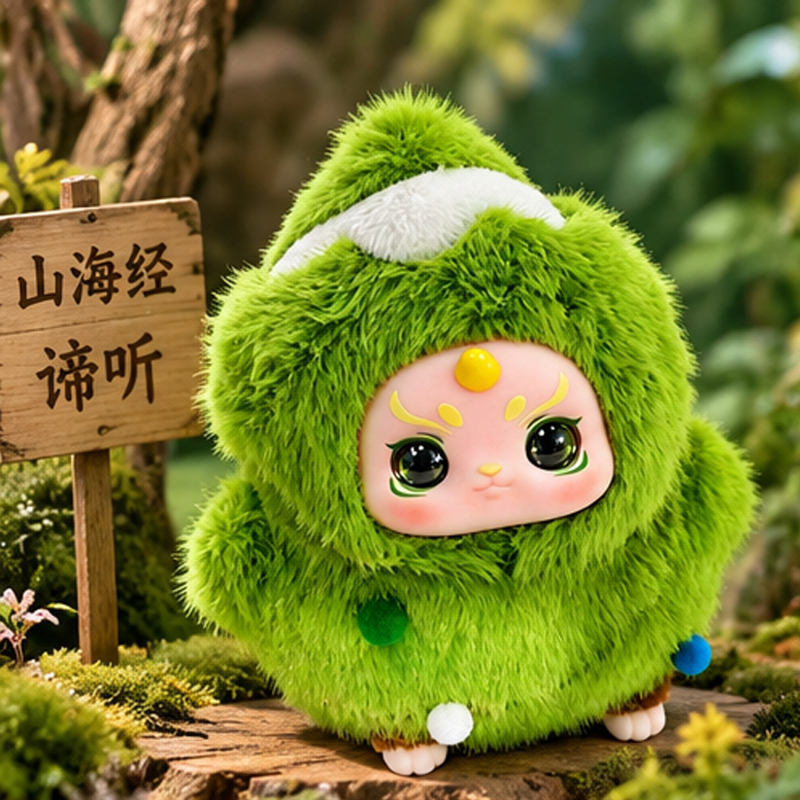
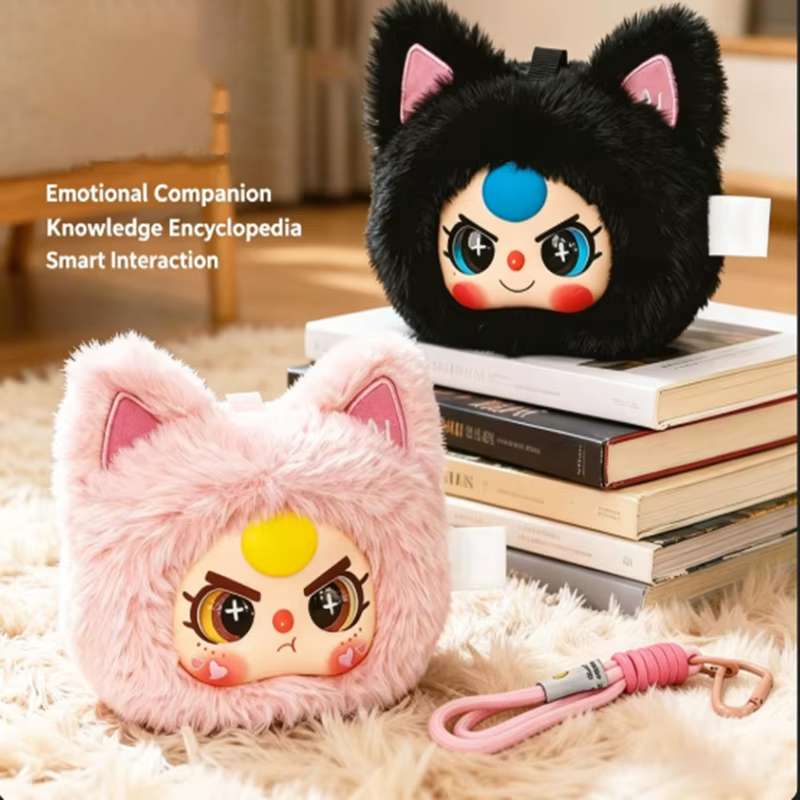
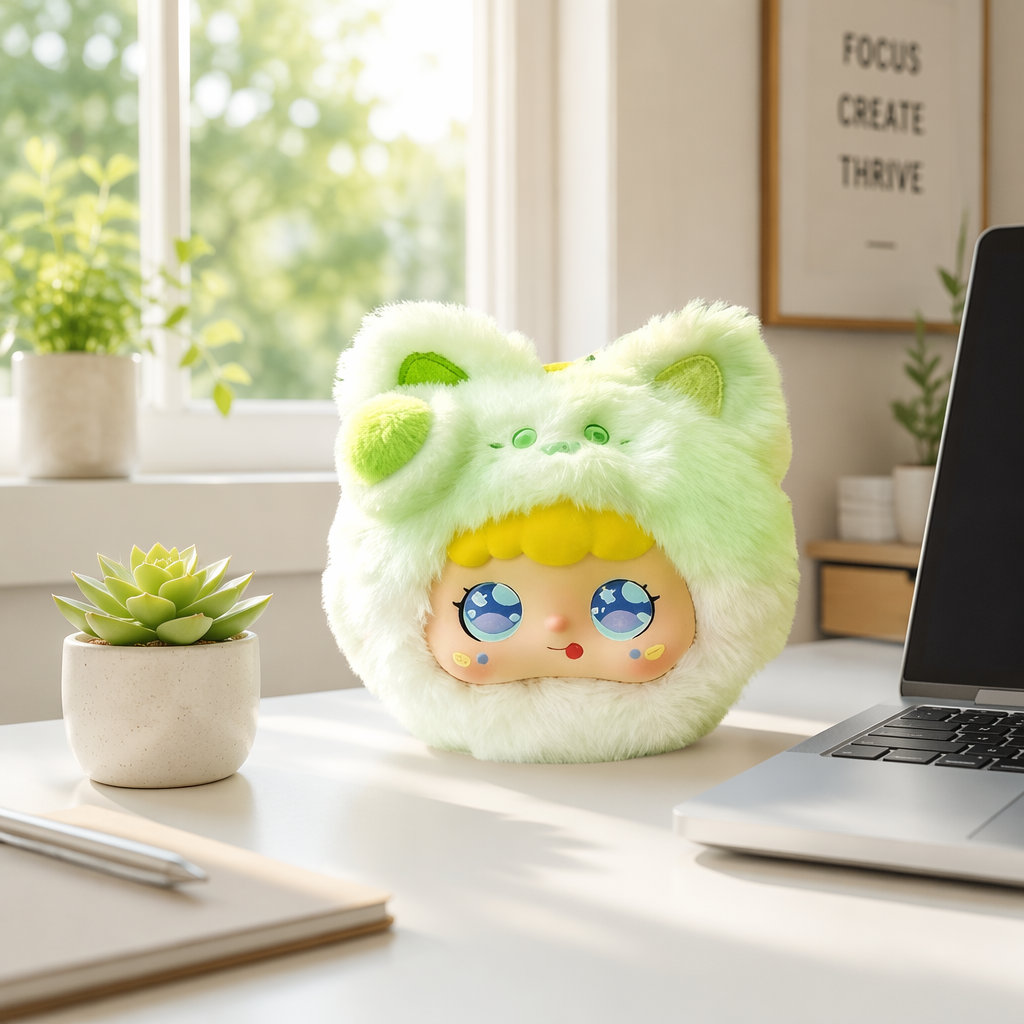
Precision-Engineered Bilingual & AI Companion Hardware
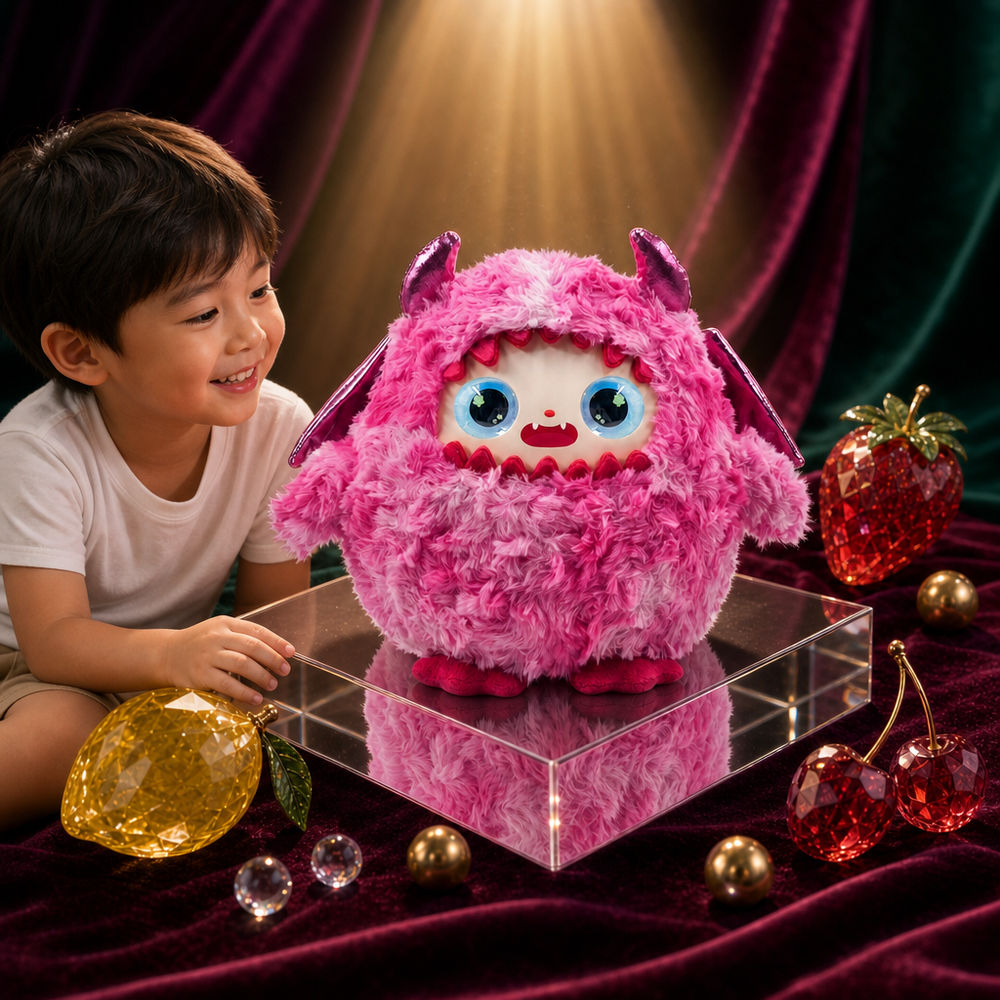
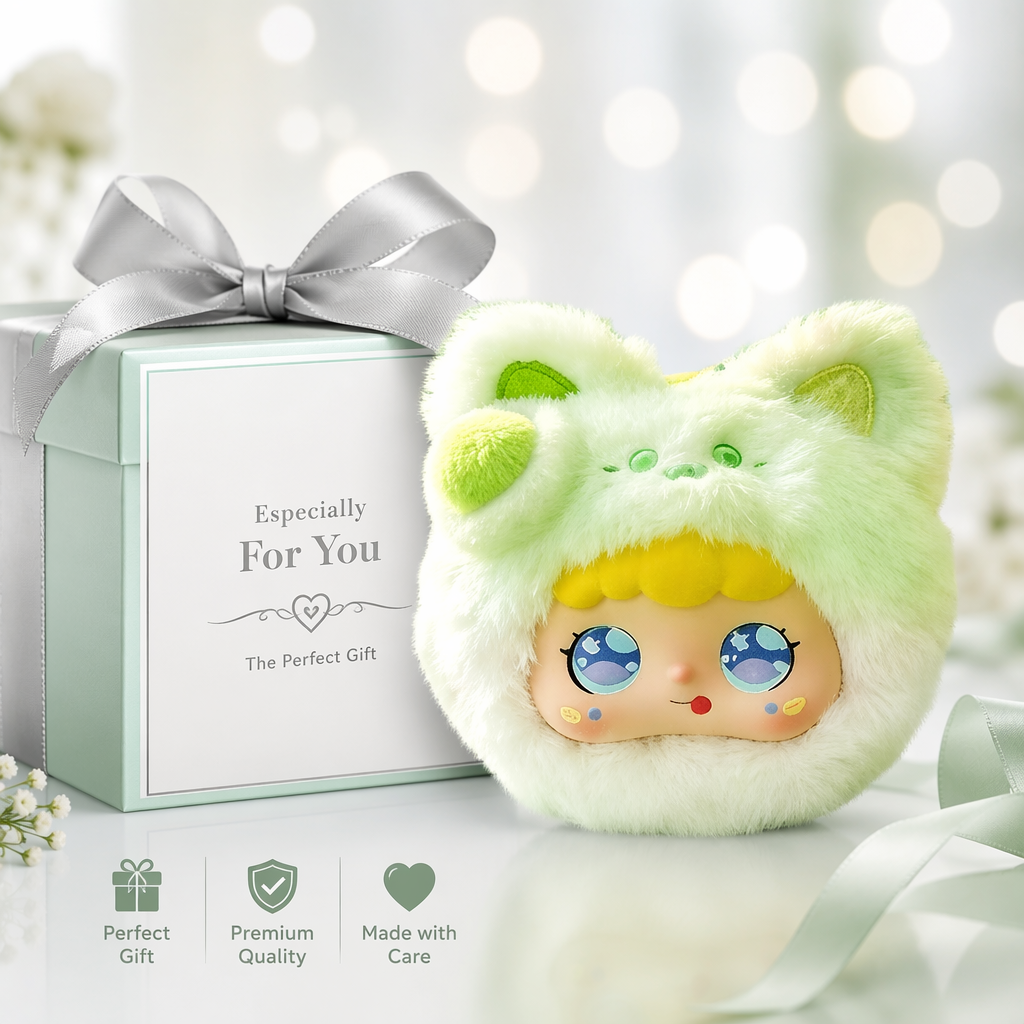
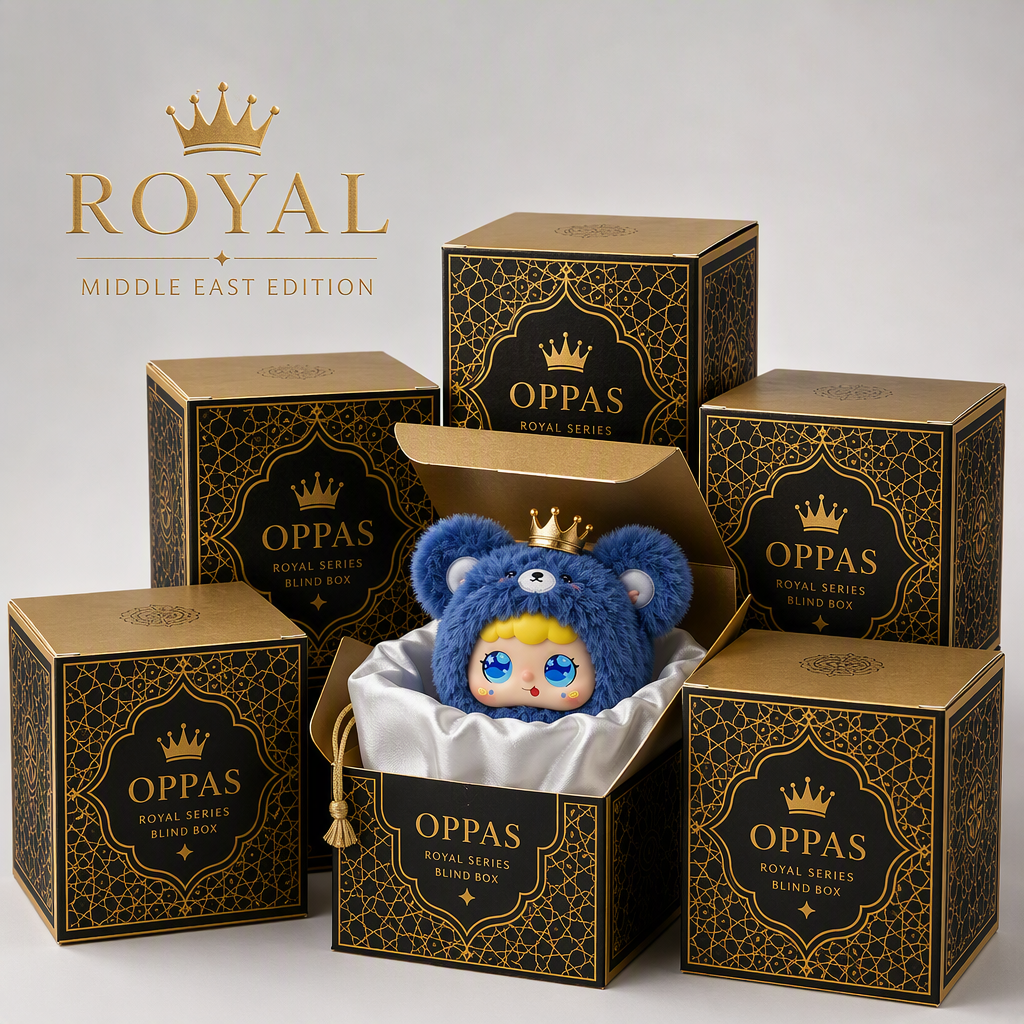
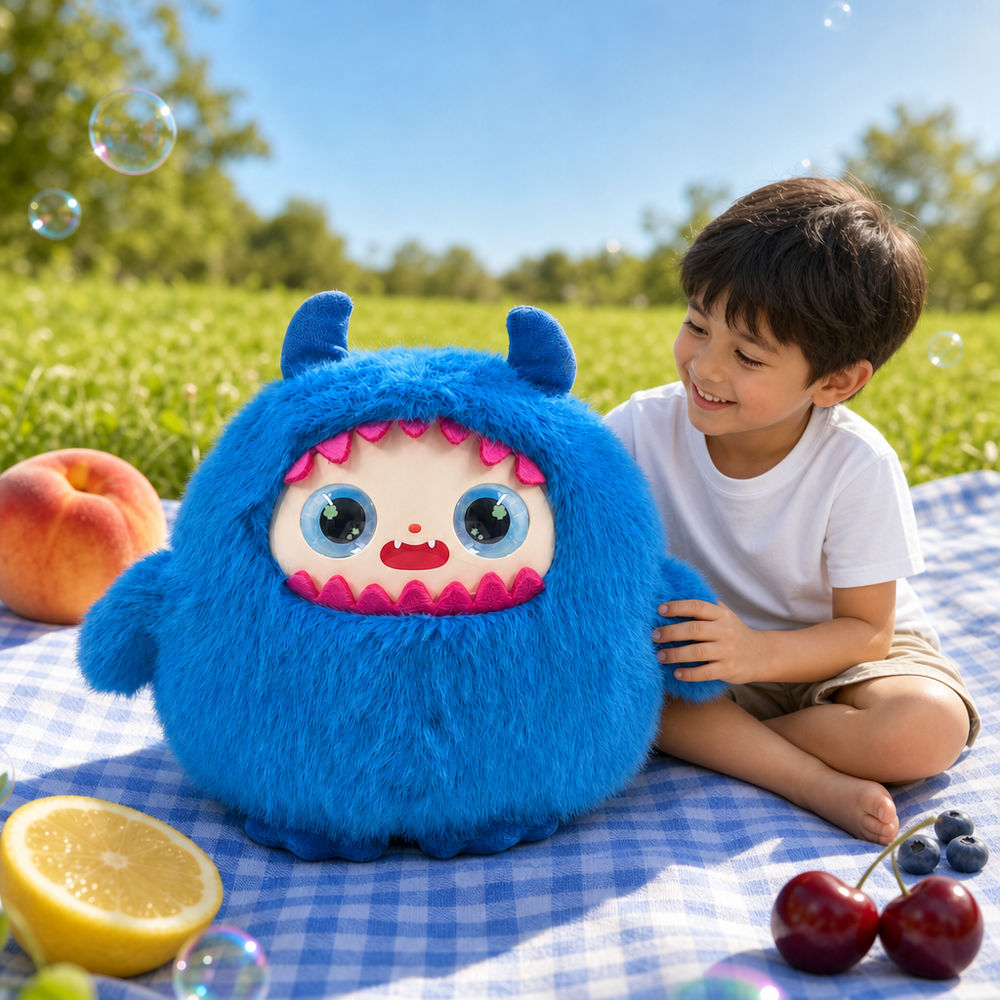
Explore our certified, mass-production-ready conversational AI robotic plush inventory. Backed by proprietary acoustic optimization, zero screen fatigue, and dynamic multilingual natural language models.
Request confidential bill-of-materials (BOM), custom LLM API integration assessments, or low-run pilot batch quotes directly from our Shenzhen engineering facility.
Engineering the Physical-Digital Interface: Sourcing Bilingual AI Tutor Robots from Tier-1 Chinese Facilities
The convergence of generative large language models (LLMs), low-latency speech synthesis, and soft-tactile industrial robotics has established a distinct consumer electronics paradigm: the bilingual tutor robot. No longer confined to basic pre-recorded phonetic playbacks or rigid mechanical step-motors, enterprise procurement officers and educational toy brand owners are navigating high-stakes technical ecosystems. Selecting a certified manufacturer demands granular evaluation across localized natural language processing (NLP), screen-free developmental compliance, edge-versus-cloud computing budgets, and global safety standards encompassing the European CE directive and the United States Children's Product Certificate (CPC).
50+
Languages Synchronized
<800ms
Round-Trip Latency
100%
Onsite Verified Facilities
0
Screen Exposure Requirement
Architectural Foundations: Bridging Soft-Goods Plush with Embedded Compute
Historically, commercial smart-toy procurement faced systemic fragility due to bifurcated supply chains. Brand buyers traditionally sourced plush exteriors from textile centers in Northern China or Southeast Asia while sourcing printed circuit board assemblies (PCBAs) from microelectronic suppliers in Shenzhen. This decoupled workflow generated high defect rates: inadequate heat dissipation inside high-density polypropylene (PP) cotton cores, acoustic muffling across microphone cavities, and compromised safety margins under heavy pull-force stress testing.
Shenzhen Flowen Technology overcomes these structural inefficiencies by unifying industrial plush production with electronic firmware engineering within an integrated 1,000–3,000 m² cleanroom environment. Every robotic unit is engineered with an isolated acoustic and thermal chassis that encases the core microprocessor, multi-microphone array, dynamic speaker, and lithium-ion battery unit with high-performance battery management systems (BMS). This co-engineering approach guarantees that physical drop impacts, continuous hugging, and thermal loads do not compromise electronic stability or user safety.
Strategic Technical Insight: The efficacy of a bilingual language-learning robot depends heavily on its signal-to-noise ratio (SNR). Acoustic enclosures in Flowen hardware leverage localized acoustic porting and specialized digital signal processor (DSP) filtering to isolate ambient noise, achieving clear phoneme pick-up at an operating distance of 1.5 meters even when wrapped in ultra-soft micro-plush textiles.
Future Sourcing Trends in AI Companion & Educational Robotics
Procurement directors planning 24 to 36-month retail strategies must anticipate fundamental hardware and operational shifts emerging across the conversational hardware sector:
Hybrid Edge-Cloud Inference
Future iterations will balance on-device Small Language Models (SLMs) for basic conversational latency (<200ms) with cloud LLMs for complex educational and academic queries, mitigating persistent Wi-Fi dependencies.
Data Sovereignty & Children's Privacy
With tightening enforcement of COPPA (USA) and GDPR-K (Europe), manufacturing plants must offer hardware-level microphone mute toggles, biometric tokenization, and localized end-to-end cloud encryption.
Pedagogical Scaffolding Models
B2B buyers are moving away from open-ended chatbots toward structured pedagogical software frameworks that dynamically guide grammar correction, vocabulary expansion, and multi-turn conversational games.
Technological Roadmap: The Evolution of Dual-Language Pedagogy
The functional maturation of interactive companion robotics is progressing rapidly across three distinct technological eras:
1. First-Generation (Rule-Based Script Engines): Devices relied on pre-compiled audio matrices triggered by pressure switches or optical sensors. Vocabulary was static, pronunciation analysis was non-existent, and engagement plummeted after brief consumer exposure.
2. Second-Generation (Cloud-Tethered Speech Synthesizers): The integration of continuous Wi-Fi/4G enabled automatic speech recognition (ASR) mapped to central cloud APIs. While vocabulary expanded exponentially, high round-trip latency (often exceeding 2.5 seconds) frequently severed user conversational immersion.
3. Third-Generation (Affective Generative Companions - Current Flowen Architecture): Leveraging high-speed neural network vocal processing, dynamic prosody adaptation, and low-latency API pipelines, current Flowen robots converse naturally across 50+ languages. They retain persistent relational memory across multiple conversations, recognize nuanced emotional shifts via micro-pitch detection, and communicate visual states using dynamic LED/OLED micro-displays without blue-light emission concerns.
Deploying private-label or bespoke smart-companion lines requires a manufacturing partner with proven operational stability, strict quality governance, and scalable capacity. Located in Qinghu Science and Technology Park, Shenzhen, Flowen provides systemic advantages for international importers:
In-House Mechanical & IP Design
From initial hand-drawn concepts and 3D CAD modeling to physical clay sculpting and fabric patterning, our specialized creative studio converts proprietary intellectual property into scalable industrial goods.
Proprietary Acoustic Tuning
Our engineers test speaker chambers within high-absorption materials, eliminating internal audio resonance and ensuring crisp vocal clarity that is vital for early childhood language acquisition.
Certified Global Compliance
Full conformance documentation for CE, EN71, EN62115, FCC Part 15, and CPC ensures straightforward customs clearance and zero retail safety friction across the Americas, Europe, and the Middle East.
Agile Pilot-to-Scale Runs
We mitigate inventory risk for brands by offering flexible evaluation runs (starting from 1 piece on standard catalog lines) up to high-volume multi-thousand-unit monthly production capacity.
Commercial Confidence Guarantee: Shenzhen Flowen Technology Co., Ltd. operates with verified onsite premises, transparent commercial transaction histories, and international shipping protocols spanning FOB, CFR, CIF, EXW, FCA, and full door-to-door DDP logistics across major trading currencies.
Procurement Knowledge Base
Frequently Asked Questions on Robot Factory Sourcing
Critical engineering, commercial, and regulatory questions answered for professional supply chain specialists and product directors.
How does Flowen overcome latency during live bilingual voice interaction?
Voice latency in conversational robotics typically stems from three stages: automatic speech recognition (ASR), large language model inference (LLM), and text-to-speech synthesis (TTS). Flowen optimizes this pipeline using lightweight edge voice-activity detection (VAD), localized WebSocket server clusters, and streaming audio response parsing. This keeps end-to-end voice turnaround times consistently below 800 milliseconds in standard network conditions, maintaining a realistic, natural conversational cadence for children and adult learners.
What is the minimum order quantity (MOQ) for catalog models vs. fully custom OEM/ODM designs?
To support pilot marketing campaigns, regional focus testing, and initial verification, select pre-tooled catalog models can be ordered starting from 1 unit, with standard catalog distribution batches starting at 20 units. For fully bespoke OEM/ODM projects requiring unique plush molds, custom PCBA design, exclusive voice personalities, and specialized retail packaging, the baseline MOQ typically starts at 1,000 to 2,000 units depending on textile complexity and electronic hardware configurations.
How are children's data privacy and safety regulations managed?
Compliance with international privacy frameworks including COPPA (US) and GDPR-K (EU) is engineered directly into our hardware and software architecture. Our companion robots do not store persistent raw audio streams unless explicitly authorized by parental mobile application toggles. Cloud API transmissions use TLS 1.3 encryption with pseudonymized device tokens. For institutional environments, we offer closed-circuit offline firmware variants with on-device flash-memory content banks that eliminate cloud connectivity entirely.
Which mechanical and electronic safety certifications do your factories maintain?
Our core manufacturing lines are compliant with the European CE directive (including EN71 parts 1, 2, and 3 for toy safety, and EN62115 for electric toys) and the US Consumer Product Safety Commission CPC regulations (ASTM F963). Electrical assemblies utilize UL94-V0 flame-retardant housings for battery modules, and soft textiles utilize hypoallergenic, lead-free, and phthalate-free outer fabrics and PP cotton fillings. Full test reports from accredited third-party laboratories (SGS, TÜV, Intertek) are provided during pre-shipment inspections.
What international commercial trade and payment terms does Flowen support?
We provide broad commercial flexibility to accommodate various global supply chain structures. Shipping models supported include FOB, CFR, CIF, EXW, FCA, CPT, CIP, DDP, and DDU, alongside express air freight for fast-turn samples. Accepted payment instruments include T/T, L/C at sight, D/P, D/A, PayPal, Western Union, and secure commercial escrow across ten major settlement currencies, including USD, EUR, GBP, CAD, AUD, JPY, and CNY.
Can brand owners integrate proprietary LLM APIs or customized pedagogical curriculums?
Yes. Flowen offers open API firmware architecture and modular middleware layers. Enterprise clients can map their robots to proprietary enterprise LLMs, fine-tuned OpenAI or Anthropic endpoints, or customized regional voice databases. Furthermore, our software development team can program targeted conversational guardrails, specific accent training, and curated content libraries containing thousands of custom learning prompts.
Initiate Your OEM/ODM Manufacturing Project
Connect with a bilingual technical sales engineer to discuss custom tooling, component sourcing, safety verification, and schedule a factory live-stream audit.