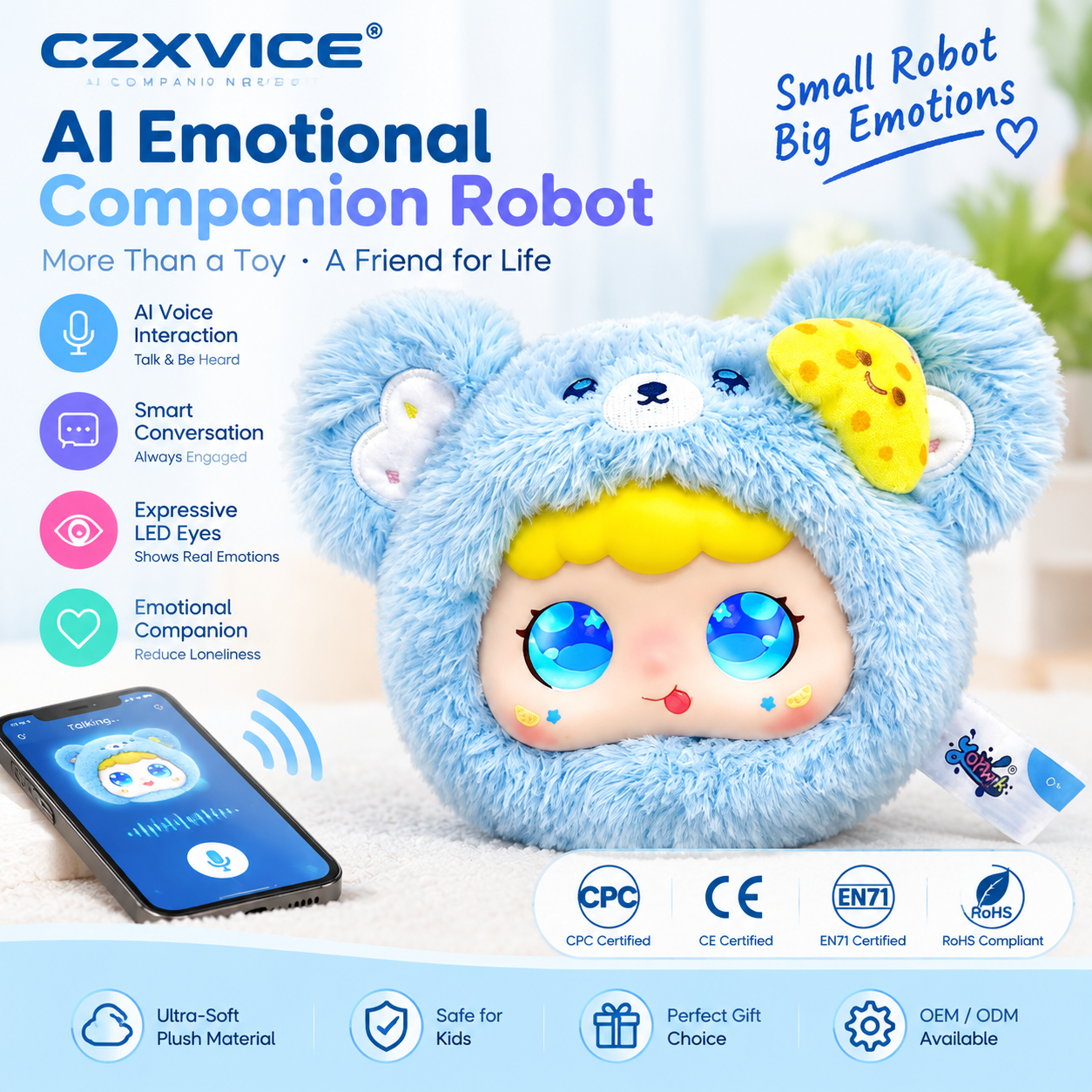
Structural Drivers: Why Slovakia Is Primed for AI Smart Companions
The Slovak consumer robotics segment is encountering an evolutionary inflection point driven by three synchronized trends: stringent regulatory transparency, consumer preference for multi-purpose educational hardware, and the ubiquity of regional cross-border commerce.
1. Strict EU Data Governance & Local Hardware Edge-Processing: With the implementation of the EU Artificial Intelligence Act and strict enforcement of the General Data Protection Regulation (GDPR) overseen locally by Slovakia's Office for Personal Data Protection (Úrad na ochranu osobných údajov Slovenskej republiky), traditional cloud-tethered recording toys are practically barred from market entry. Our manufacturing architecture isolates sensitive conversational datasets via edge-based anonymization filters, preventing vocal identity theft and ensuring that audio inputs are erased immediately post-inference.
2. Multilingualism in the Central European Logistics Hub: Slovakia’s position bounded by Austria, Poland, Czechia, Hungary, and Ukraine necessitates agile linguistic hardware. Our smart robotics integrate multilingual transformers capable of code-switching between Central European vernaculars, providing exceptional utility for Slovak households where early fluency in multiple foreign tongues is considered a baseline requirement for economic success.
3. Demand for High Material Hygiene & Clean Supply Chains: Discerning European buyers refuse single-use cheap plastics. The fusion of tactile textile craftsmanship—using OEKO-TEX certified fabrics and anti-allergenic PP cotton—with micro-motor control boards introduces high perceived retail value, robust gross margins for local importers, and enduring end-user retention.